Artist signatures page loaded. Found 20 signature examples for Gustave De Smet. Sign in or subscribe to view signatures.
Gustave De Smet SIGNATURES
1877 Ghent - 1943. Known for: Painting.
Born in Ghent, Gustave De Smet left the city for the countryside very early and moved to Laethem, where he joined his brother Leon and his friend Albert Servaes. During the First World War, he fled... Read full biography
Born in Ghent, Gustave De Smet left the city for the countryside very early and moved to Laethem, where he joined his brother Leon and his friend Albert Servaes. During the First World War, he fled to the Netherlands where he studied with Frits Van den Berghe, and intensified his efforts through... Read full biography
Born in Ghent, Gustave De Smet left the city for the countryside very early and moved to Laethem, where he joined his brother Leon and his friend Albert Servaes. During the First World War, he fled to the Netherlands where he studied with Frits Van den Berghe, and intensified his efforts through contact with Fauvism, German Expressionism, Cubism and Futurism. On his return, he mainly painted peasants, children and festivals, and, little by little, his work became free and more fun. In the 30s,... Read full biography
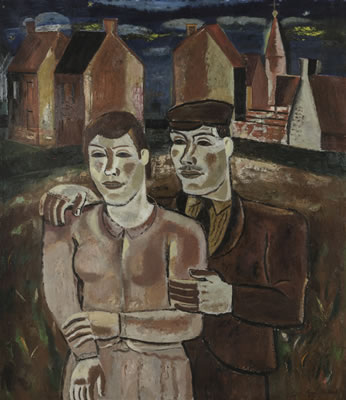
Born in Ghent, Gustave De Smet left the city for the countryside very early and moved to Laethem, where he joined his brother Leon and his friend Albert Servaes. During the First World War, he fled to the Netherlands where he studied with Frits Van den Berghe, and intensified his efforts through contact with Fauvism, German Expressionism, Cubism and Futurism. On his return, he mainly painted peasants, children and festivals, and, little by little, his work became free and more fun. In the 30s, he showed a predilection for bare and rural characters.
Born in Ghent, Gustave De Smet left the city for the countryside very early and moved to Laethem, where he joined his brother Leon and his friend Albert Servaes. During the First World War, he fled to the Netherlands where he studied with Frits Van den Berghe, and intensified his efforts through contact with Fauvism, German Expressionism, Cubism and Futurism. On his return, he mainly painted peasants, children and festivals, and, little by little, his work became free and more fun. In the 30s, he showed a predilection for bare and rural characters.
Sign in required to view signatures
Gustave De Smet - Artist Signatures
Gustave De Smet Artist Signatures
Access Required
askART does not represent or warrant that the information accessible via this Site is accurate, complete or current, including, but not limited to, such information contained in artist biographies, auction records, samples of artists' signatures, artworks for sale, and information and value estimates contained in artist price valuation reports.