Born 1855 Palencia. Known for: Genre painting.
José Oliva Rodrigo was born in Palencia around 1855 and became an artist like his elder brother Eugenio Oliva Rodrigo (1852-1925). He was trained in painting, sculpture and engraving, probably for a...
Read full biography José Oliva Rodrigo was born in Palencia around 1855 and became an artist like his elder brother Eugenio Oliva Rodrigo (1852-1925). He was trained in painting, sculpture and engraving, probably for a short time also in Barcelona. Later trips led the young artist to Rome and Madrid, where he was able...
Read full biography José Oliva Rodrigo was born in Palencia around 1855 and became an artist like his elder brother Eugenio Oliva Rodrigo (1852-1925). He was trained in painting, sculpture and engraving, probably for a short time also in Barcelona. Later trips led the young artist to Rome and Madrid, where he was able to study in his brother’s studio. In 1878 Rodrigo presented a work at the National Exhibition in Madrid, which was followed by further participation in 1884 and 1887. When his brother Eugenio...
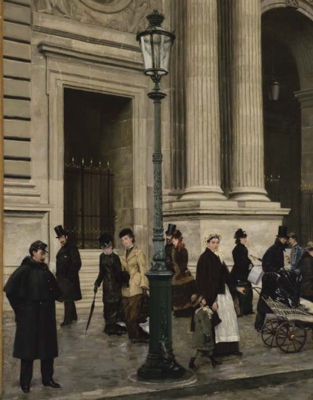
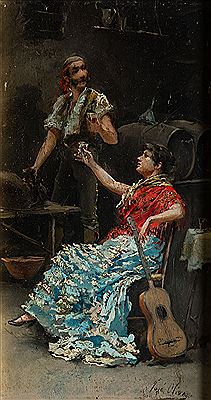
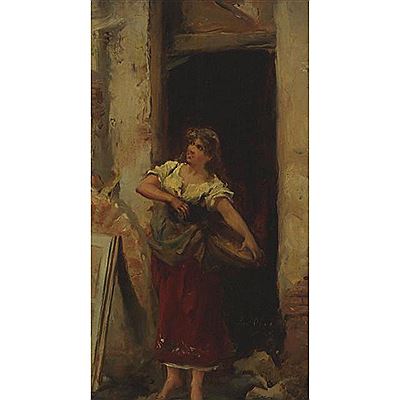
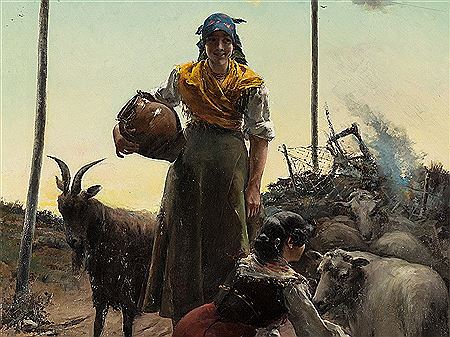
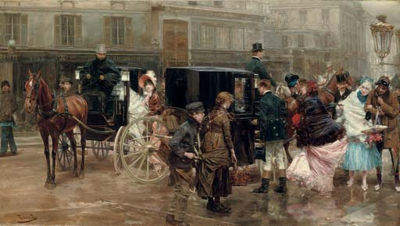
Read full biography José Oliva Rodrigo was born in Palencia around 1855 and became an artist like his elder brother Eugenio Oliva Rodrigo (1852-1925). He was trained in painting, sculpture and engraving, probably for a short time also in Barcelona. Later trips led the young artist to Rome and Madrid, where he was able to study in his brother’s studio. In 1878 Rodrigo presented a work at the National Exhibition in Madrid, which was followed by further participation in 1884 and 1887. When his brother Eugenio received a pension to study at the Spanish Academy of Fine Arts in Rome in 1879, it is very possible that José also spent some time in the Italian capital. José Oliva Rodrigo's oeuvre comprises mainly genre-like compositions, which he often embedded in the...
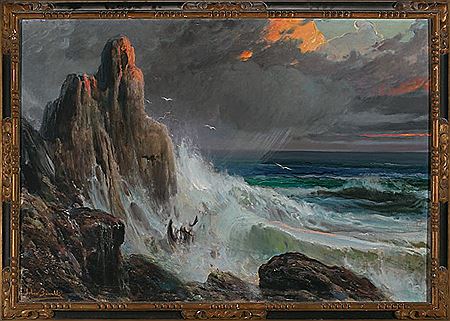
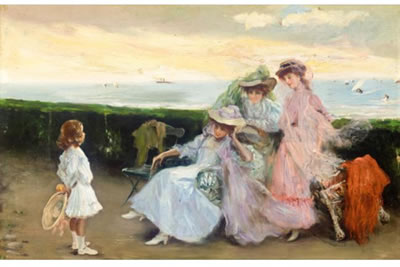
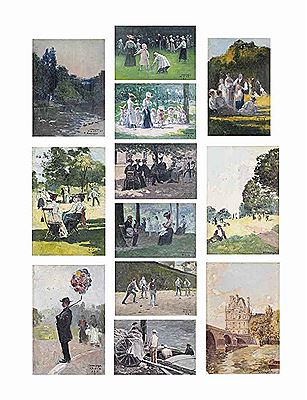
Read full biography José Oliva Rodrigo was born in Palencia around 1855 and became an artist like his elder brother Eugenio Oliva Rodrigo (1852-1925). He was trained in painting, sculpture and engraving, probably for a short time also in Barcelona. Later trips led the young artist to Rome and Madrid, where he was able to study in his brother’s studio. In 1878 Rodrigo presented a work at the National Exhibition in Madrid, which was followed by further participation in 1884 and 1887. When his brother Eugenio received a pension to study at the Spanish Academy of Fine Arts in Rome in 1879, it is very possible that José also spent some time in the Italian capital. José Oliva Rodrigo's oeuvre comprises mainly genre-like compositions, which he often embedded in the landscapes of his travels.