1850 - 1902. Known for: Painting.
Matthew Ridley Corbet studied in Rome for three years as a pupil of Giovanni Costa (1826-1903), and it was here that Corbet developed his 'poetic-pasoral' landscape style, and from 1883 onwards,...
Read full biography Matthew Ridley Corbet studied in Rome for three years as a pupil of Giovanni Costa (1826-1903), and it was here that Corbet developed his 'poetic-pasoral' landscape style, and from 1883 onwards, Corbet rarely painted anything other than landscapes. He exhibited at the Royal Academy from 1875 to...
Read full biography Matthew Ridley Corbet studied in Rome for three years as a pupil of Giovanni Costa (1826-1903), and it was here that Corbet developed his 'poetic-pasoral' landscape style, and from 1883 onwards, Corbet rarely painted anything other than landscapes. He exhibited at the Royal Academy from 1875 to 1902, and the works 'Morning Glory' and 'Val D'Arno' were both bought by the Chantrey Bequest, and are held in the Tate collection.[1][1] Wood, Christopher, Victorian Painters, vol. I, 1995, p.115...
Read full biography Matthew Ridley Corbet studied in Rome for three years as a pupil of Giovanni Costa (1826-1903), and it was here that Corbet developed his 'poetic-pasoral' landscape style, and from 1883 onwards, Corbet rarely painted anything other than landscapes. He exhibited at the Royal Academy from 1875 to 1902, and the works 'Morning Glory' and 'Val D'Arno' were both bought by the Chantrey Bequest, and are held in the Tate collection.[1][1] Wood, Christopher, Victorian Painters, vol. I, 1995, p.115
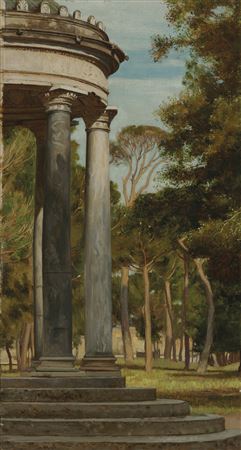
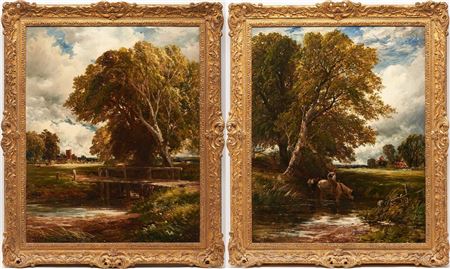
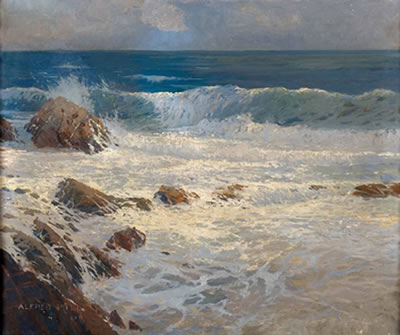
Matthew Ridley Corbet studied in Rome for three years as a pupil of Giovanni Costa (1826-1903), and it was here that Corbet developed his 'poetic-pasoral' landscape style, and from 1883 onwards, Corbet rarely painted anything other than landscapes. He exhibited at the Royal Academy from 1875 to 1902, and the works 'Morning Glory' and 'Val D'Arno' were both bought by the Chantrey Bequest, and are held in the Tate collection.[1][1] Wood, Christopher, Victorian Painters, vol. I, 1995, p.115