Hugo Scheiber PRICE CHARTS
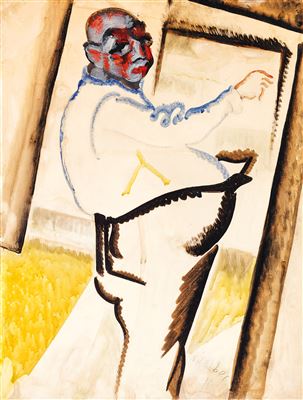
1873 Budapest, Hungary - 1950. Known for: Female figure and portrait painting.
Hugó Scheiber was born in Budapest in 1873. At the age of eight, he moved with his family from Budapest to Vienna. In 1898, to help support his family after they had returned to Budapest. He started... Read full biography
Hugó Scheiber was born in Budapest in 1873. At the age of eight, he moved with his family from Budapest to Vienna. In 1898, to help support his family after they had returned to Budapest. He started working during the day, attending painting classes at the Commercial Art School in the evening. In... Read full biography
Hugó Scheiber was born in Budapest in 1873. At the age of eight, he moved with his family from Budapest to Vienna. In 1898, to help support his family after they had returned to Budapest. He started working during the day, attending painting classes at the Commercial Art School in the evening. In 1900, he completed his studies. Scheiber showed an early interest in German Expressionism and Futurism. In 1915 he met Marinetti, who invited him to join the Futurist movement. Because Scheiber's... Read full biography
Hugó Scheiber was born in Budapest in 1873. At the age of eight, he moved with his family from Budapest to Vienna. In 1898, to help support his family after they had returned to Budapest. He started working during the day, attending painting classes at the Commercial Art School in the evening. In 1900, he completed his studies. Scheiber showed an early interest in German Expressionism and Futurism. In 1915 he met Marinetti, who invited him to join the Futurist movement. Because Scheiber's paintings conflicted with academic style of the Hungarian art establishment, his work was virtually ignored in his own country. In 1919, he and his friend Béla Kádár held an exhibition organized by Hévesy in Vienna, which was a great success, so much so... Read full biography
Hugó Scheiber was born in Budapest in 1873. At the age of eight, he moved with his family from Budapest to Vienna. In 1898, to help support his family after they had returned to Budapest. He started working during the day, attending painting classes at the Commercial Art School in the evening. In 1900, he completed his studies. Scheiber showed an early interest in German Expressionism and Futurism. In 1915 he met Marinetti, who invited him to join the Futurist movement. Because Scheiber's paintings conflicted with academic style of the Hungarian art establishment, his work was virtually ignored in his own country. In 1919, he and his friend Béla Kádár held an exhibition organized by Hévesy in Vienna, which was a great success, so much so that the Budapest Art Museum purchased two of his drawings. In 1920, Scheiber returned to V... Read full biography