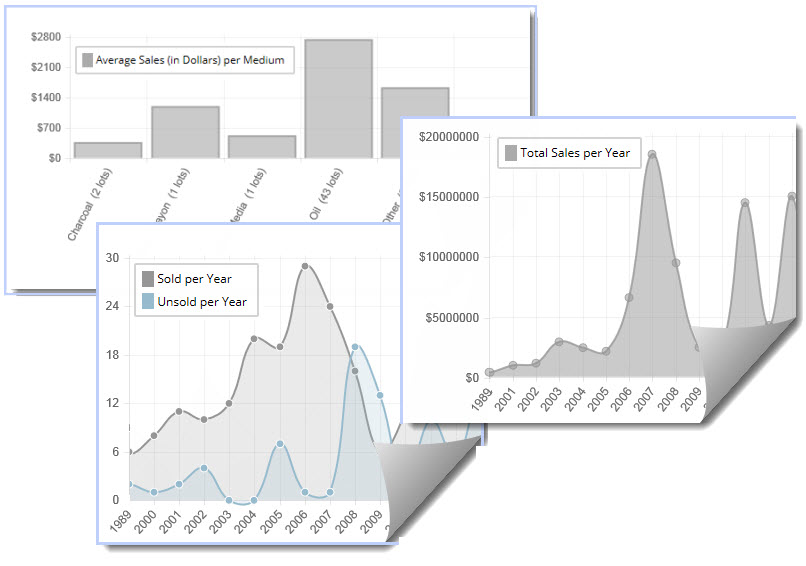
Abraham Van Strij PRICE CHARTS
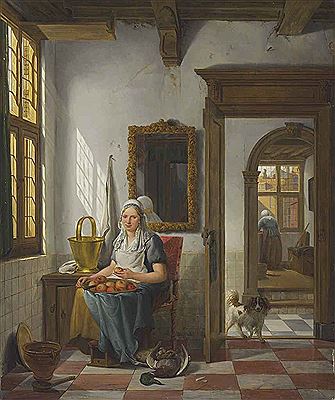
1753 Dordrecht - 1826. Known for: Figure, allegorical paintings.
Abraham van Strij I, who trained in Antwerp before settling in Dordrecht, was perhaps the most accomplished Dutch genre painter around the turn of the 19th century. Some of his work recalls the... Read full biography
Abraham van Strij I, who trained in Antwerp before settling in Dordrecht, was perhaps the most accomplished Dutch genre painter around the turn of the 19th century. Some of his work recalls the spatial formulas and household motifs typical of the 17th-century art of Pieter de Hooch, including tiled... Read full biography
Abraham van Strij I, who trained in Antwerp before settling in Dordrecht, was perhaps the most accomplished Dutch genre painter around the turn of the 19th century. Some of his work recalls the spatial formulas and household motifs typical of the 17th-century art of Pieter de Hooch, including tiled floors, ornate framed mirrors, gentle light streaming through the windows, etc. Indeed Van Strij was renowned in his day as "the modern Pieter de Hoog". Along with the work of early Dutch art... Read full biography
Abraham van Strij I, who trained in Antwerp before settling in Dordrecht, was perhaps the most accomplished Dutch genre painter around the turn of the 19th century. Some of his work recalls the spatial formulas and household motifs typical of the 17th-century art of Pieter de Hooch, including tiled floors, ornate framed mirrors, gentle light streaming through the windows, etc. Indeed Van Strij was renowned in his day as "the modern Pieter de Hoog". Along with the work of early Dutch art historians, Van Strij's homage to the art of nearly 150 years earlier played a crucial role in cultivating Holland's pride in its heritage, which "celebrat[ed] domesticity and [viewed] the home as a secular temple" (Sluijter, Sutton).... Read full biography
Abraham van Strij I, who trained in Antwerp before settling in Dordrecht, was perhaps the most accomplished Dutch genre painter around the turn of the 19th century. Some of his work recalls the spatial formulas and household motifs typical of the 17th-century art of Pieter de Hooch, including tiled floors, ornate framed mirrors, gentle light streaming through the windows, etc. Indeed Van Strij was renowned in his day as "the modern Pieter de Hoog". Along with the work of early Dutch art historians, Van Strij's homage to the art of nearly 150 years earlier played a crucial role in cultivating Holland's pride in its heritage, which "celebrat[ed] domesticity and [viewed] the home as a secular temple" (Sluijter, Sutton).
Abraham Van Strij - Charts
Chart data loaded successfully