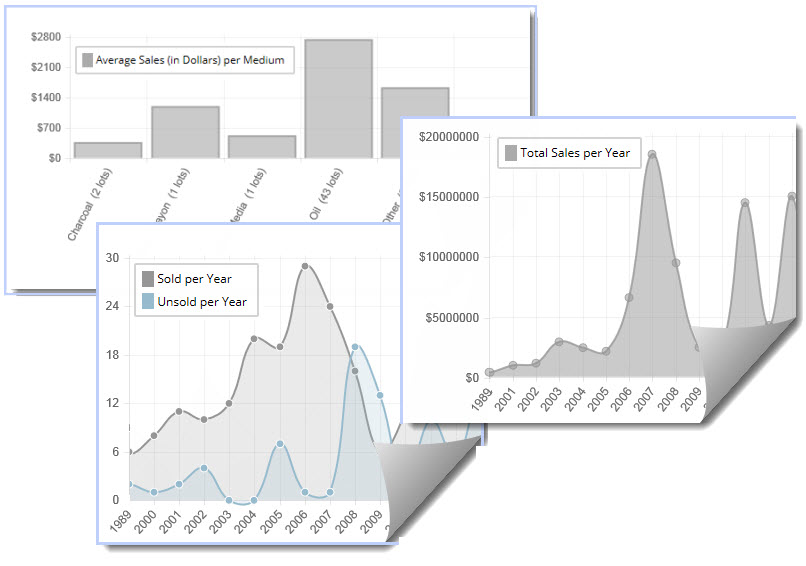
Alberto Zardo PRICE CHARTS
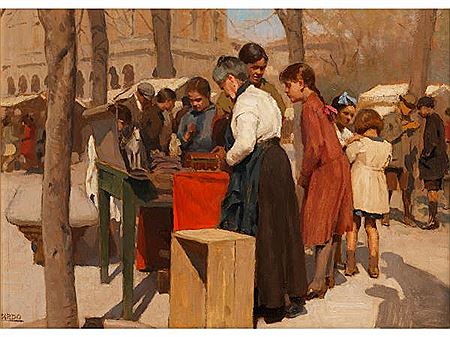
1876 Padua, Italy - 1959 Florence, Italy. Known for: Realist and impressionist landscapes and figure paintings.
. Alberto Zardo was born in Padua in 1876. He trained at the Academy of Fine Arts in Florence, where he studied painting under Raffaello Sorbi and briefly attended sculpture courses led by Augusto... Read full biography
. Alberto Zardo was born in Padua in 1876. He trained at the Academy of Fine Arts in Florence, where he studied painting under Raffaello Sorbi and briefly attended sculpture courses led by Augusto Rivalta. Zardo’s early works reflect the influence of Tuscan realism from the mid-nineteenth century,... Read full biography
. Alberto Zardo was born in Padua in 1876. He trained at the Academy of Fine Arts in Florence, where he studied painting under Raffaello Sorbi and briefly attended sculpture courses led by Augusto Rivalta. Zardo’s early works reflect the influence of Tuscan realism from the mid-nineteenth century, though he maintained a distinctly intimate and poetic interpretation throughout his career. In 1901, Zardo won first prize in the Alinari competition for illustrations of The Divine Comedy, marking... Read full biography
. Alberto Zardo was born in Padua in 1876. He trained at the Academy of Fine Arts in Florence, where he studied painting under Raffaello Sorbi and briefly attended sculpture courses led by Augusto Rivalta. Zardo’s early works reflect the influence of Tuscan realism from the mid-nineteenth century, though he maintained a distinctly intimate and poetic interpretation throughout his career. In 1901, Zardo won first prize in the Alinari competition for illustrations of The Divine Comedy, marking the beginning of a prolific career in book illustration. His drawings were praised for their clarity and suitability for photomechanical reproduction, and he contributed several plates to the published edition, including L’incontro con Filippo Argenti... Read full biography
. Alberto Zardo was born in Padua in 1876. He trained at the Academy of Fine Arts in Florence, where he studied painting under Raffaello Sorbi and briefly attended sculpture courses led by Augusto Rivalta. Zardo’s early works reflect the influence of Tuscan realism from the mid-nineteenth century, though he maintained a distinctly intimate and poetic interpretation throughout his career. In 1901, Zardo won first prize in the Alinari competition for illustrations of The Divine Comedy, marking the beginning of a prolific career in book illustration. His drawings were praised for their clarity and suitability for photomechanical reproduction, and he contributed several plates to the published edition, including L’incontro con Filippo Argenti and La Crocifissione di Cristo. Zardo’s paintings are characterized by bright chromaticism and a full-bodied, broad brushstr.... Read full biography
Alberto Zardo - Charts
Chart data loaded successfully