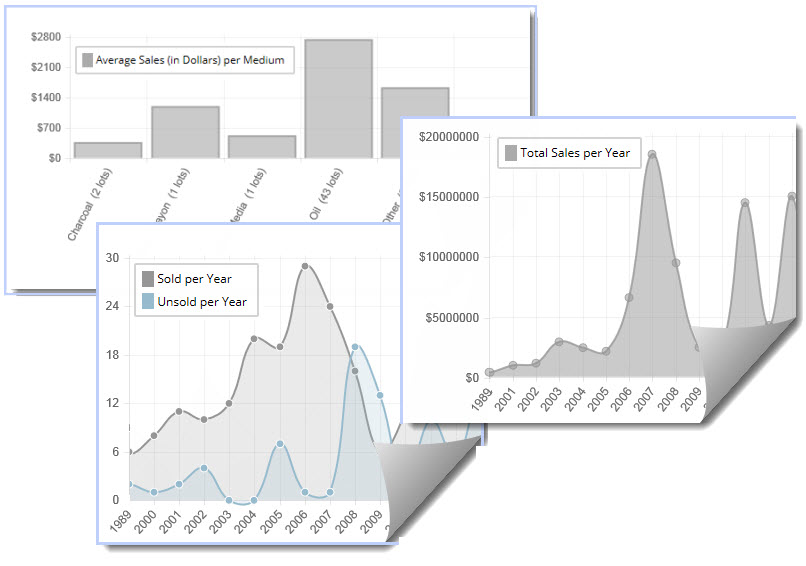
Angelo Biancini PRICE CHARTS
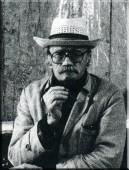
1911 CastelBolognese, Italy - 1988 CastelBolognese, Italy. Known for: Terracotta artwork.
Angelo Biancini was born in Castelbolognese in 1911. In 1929 he enrolled at the Art Institute of Florence where, above all, he attended the classes of Libero Andreotti, a teacher for whom he would... Read full biography
Angelo Biancini was born in Castelbolognese in 1911. In 1929 he enrolled at the Art Institute of Florence where, above all, he attended the classes of Libero Andreotti, a teacher for whom he would always show appreciation and respect. His first studio was a large room in a former convent, where he... Read full biography
Angelo Biancini was born in Castelbolognese in 1911. In 1929 he enrolled at the Art Institute of Florence where, above all, he attended the classes of Libero Andreotti, a teacher for whom he would always show appreciation and respect. His first studio was a large room in a former convent, where he devoted himself primarily to maiolica, before moving towards modelling and sculpture. In 1932 he began to exhibit his works in public, and in 1934 came his first statement, with his ‘Lupa’ winning the... Read full biography
Angelo Biancini was born in Castelbolognese in 1911. In 1929 he enrolled at the Art Institute of Florence where, above all, he attended the classes of Libero Andreotti, a teacher for whom he would always show appreciation and respect. His first studio was a large room in a former convent, where he devoted himself primarily to maiolica, before moving towards modelling and sculpture. In 1932 he began to exhibit his works in public, and in 1934 came his first statement, with his ‘Lupa’ winning the sculpture section of ‘Littoriali dell’arte’ in Rome. Also in 1934 he participated for the first time at the Venice Biennale. Following on from this he designed objects which were then made by ENAPI to take part in ‘VI Triennale di Milano’. In 1935,... Read full biography
Angelo Biancini was born in Castelbolognese in 1911. In 1929 he enrolled at the Art Institute of Florence where, above all, he attended the classes of Libero Andreotti, a teacher for whom he would always show appreciation and respect. His first studio was a large room in a former convent, where he devoted himself primarily to maiolica, before moving towards modelling and sculpture. In 1932 he began to exhibit his works in public, and in 1934 came his first statement, with his ‘Lupa’ winning the sculpture section of ‘Littoriali dell’arte’ in Rome. Also in 1934 he participated for the first time at the Venice Biennale. Following on from this he designed objects which were then made by ENAPI to take part in ‘VI Triennale di Milano’. In 1935, he created the statue of the victorious Athlete in the Foro Mussolini (now Stadio dei Marmi) in Rome. Also in Rome... Read full biography
Angelo Biancini - Charts
Chart data loaded successfully