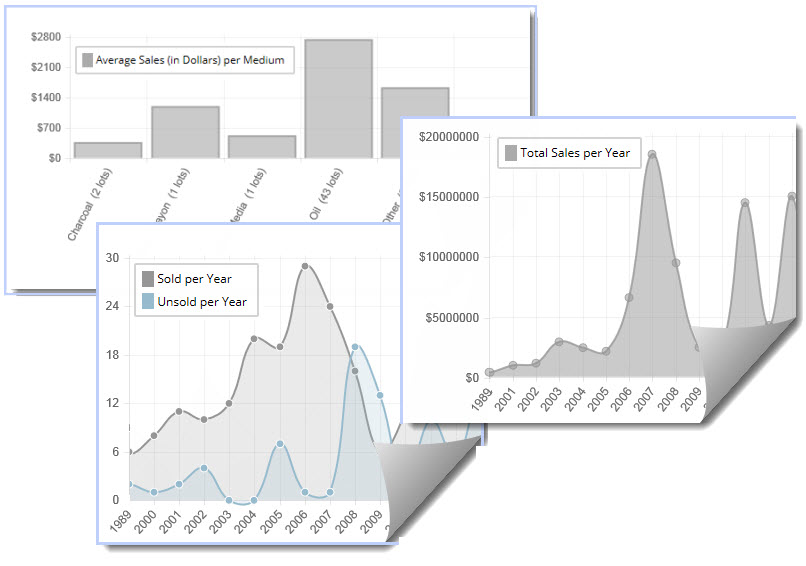
Antonio Travi PRICE CHARTS
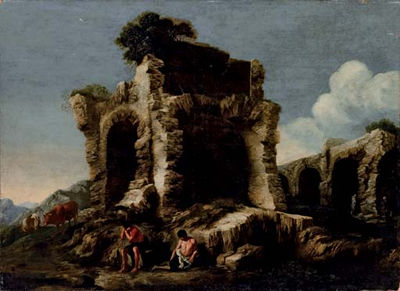
1608 Sestri Ponente - 1665. Known for: Pastoral landscape and Biblical theme painting.
In Genoa, landscape developed with the impetus of Giovanni Benedetto Castiglione, called Il Grechetto (1609-1664), who used it extensively as a background for his pastoral and Biblical scenes, their... Read full biography
In Genoa, landscape developed with the impetus of Giovanni Benedetto Castiglione, called Il Grechetto (1609-1664), who used it extensively as a background for his pastoral and Biblical scenes, their subjects often centred on a journey. With Antonio Travi, landscape was ennobled, successfully... Read full biography
In Genoa, landscape developed with the impetus of Giovanni Benedetto Castiglione, called Il Grechetto (1609-1664), who used it extensively as a background for his pastoral and Biblical scenes, their subjects often centred on a journey. With Antonio Travi, landscape was ennobled, successfully finding its way onto the walls of the great Genoese palaces. Travi succeeded in distinctively linking local tradition and Northern culture, especially that of Goffredo Wals (1595-1638), whose presence in... Read full biography
In Genoa, landscape developed with the impetus of Giovanni Benedetto Castiglione, called Il Grechetto (1609-1664), who used it extensively as a background for his pastoral and Biblical scenes, their subjects often centred on a journey. With Antonio Travi, landscape was ennobled, successfully finding its way onto the walls of the great Genoese palaces. Travi succeeded in distinctively linking local tradition and Northern culture, especially that of Goffredo Wals (1595-1638), whose presence in Genoa is documented from November 1623, and whose cold, precise light he emulated. The small scenes animating his landscapes follow the path laid by the narrative, naturalist paintings by Filippo Napoletano (c. 1590-1629), and Travi also drew... Read full biography
In Genoa, landscape developed with the impetus of Giovanni Benedetto Castiglione, called Il Grechetto (1609-1664), who used it extensively as a background for his pastoral and Biblical scenes, their subjects often centred on a journey. With Antonio Travi, landscape was ennobled, successfully finding its way onto the walls of the great Genoese palaces. Travi succeeded in distinctively linking local tradition and Northern culture, especially that of Goffredo Wals (1595-1638), whose presence in Genoa is documented from November 1623, and whose cold, precise light he emulated. The small scenes animating his landscapes follow the path laid by the narrative, naturalist paintings by Filippo Napoletano (c. 1590-1629), and Travi also drew inspiration from the picturesque landscapes of Agostino Tassi (1578-1644), a Roman artist active in Genoa in about 1605-1606 while exiled in Livorno bet... Read full biography
Antonio Travi - Charts
Chart data loaded successfully