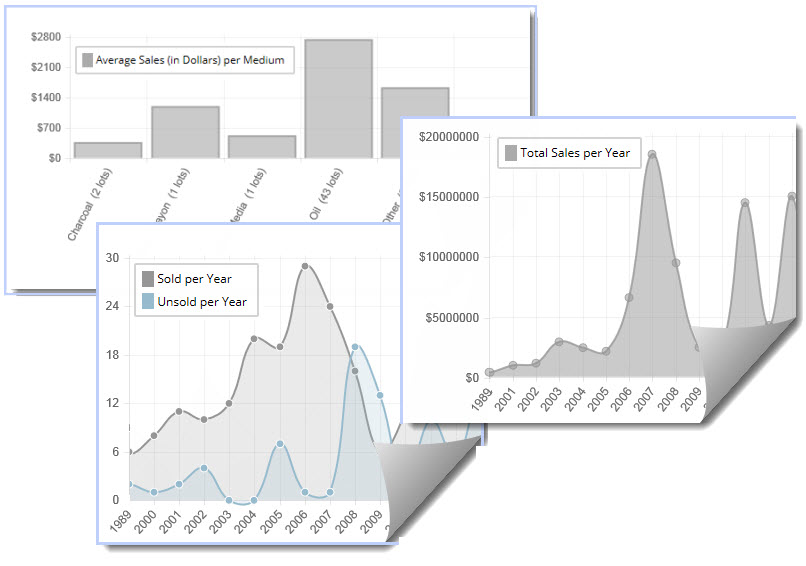
Antonio Zanchi PRICE CHARTS
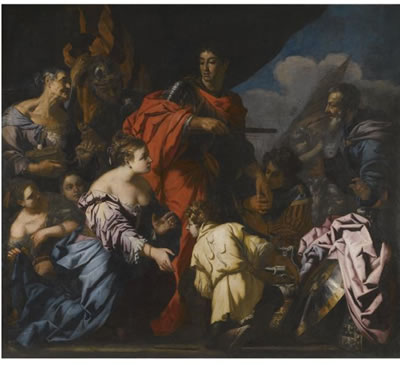
1631 lEste, Italy - 1722 Este, Italy. Known for: Chiaroscuro painting of semi-nude religious figures.
Antonio Zanchi best expressed naturalism chiaroscuro of seventeenth-century Venetian painting, learned observing not only the examples of John the Baptist Langetti (Genoa, 1625 - Venice 1676) and... Read full biography
Antonio Zanchi best expressed naturalism chiaroscuro of seventeenth-century Venetian painting, learned observing not only the examples of John the Baptist Langetti (Genoa, 1625 - Venice 1676) and Francesco Ruschi (Rome, about 1610 - Treviso, 1661), but especially the exuberant compositions by Luca... Read full biography
Antonio Zanchi best expressed naturalism chiaroscuro of seventeenth-century Venetian painting, learned observing not only the examples of John the Baptist Langetti (Genoa, 1625 - Venice 1676) and Francesco Ruschi (Rome, about 1610 - Treviso, 1661), but especially the exuberant compositions by Luca Giordano (Naples, 1632-1705) visible in the lagoon city. His work is characterized by bold views, aspects that the author manifests from the early works, also competing with the courtly examples of... Read full biography
Antonio Zanchi best expressed naturalism chiaroscuro of seventeenth-century Venetian painting, learned observing not only the examples of John the Baptist Langetti (Genoa, 1625 - Venice 1676) and Francesco Ruschi (Rome, about 1610 - Treviso, 1661), but especially the exuberant compositions by Luca Giordano (Naples, 1632-1705) visible in the lagoon city. His work is characterized by bold views, aspects that the author manifests from the early works, also competing with the courtly examples of Jacopo Tintoretto. Science in this regard is his speech at the Scuola di San Rocco in 1666, which ties in with lofty outcomes representing the sad effects of the plague. Of the year next it is the great scene with 'Christ expelling the merchants from... Read full biography
Antonio Zanchi best expressed naturalism chiaroscuro of seventeenth-century Venetian painting, learned observing not only the examples of John the Baptist Langetti (Genoa, 1625 - Venice 1676) and Francesco Ruschi (Rome, about 1610 - Treviso, 1661), but especially the exuberant compositions by Luca Giordano (Naples, 1632-1705) visible in the lagoon city. His work is characterized by bold views, aspects that the author manifests from the early works, also competing with the courtly examples of Jacopo Tintoretto. Science in this regard is his speech at the Scuola di San Rocco in 1666, which ties in with lofty outcomes representing the sad effects of the plague. Of the year next it is the great scene with 'Christ expelling the merchants from the temple' School of San Fantin, expressing full support to the Neapolitan style as well highlighted the Pallucchini in 1981. The paint... Read full biography
Antonio Zanchi - Charts
Chart data loaded successfully