Bai Bai (Pai Pai Bye Bye) Napangarti PRICE CHARTS
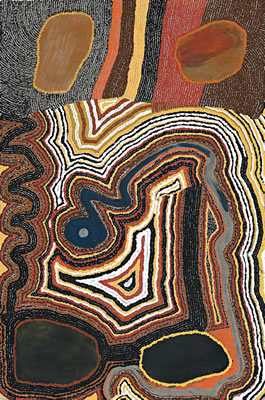
Born c. 1935 Tkawa Tkawa (Point Moody), Western Australia. Known for: Aboriginal dream painting.
Bai Bai Napangarti was born in the bush, probably in the mid 1930s, and is a Kukatja speaker. Her mother first saw white people when she was a little girl. Her family was camped near the Stansmore... Read full biography
Bai Bai Napangarti was born in the bush, probably in the mid 1930s, and is a Kukatja speaker. Her mother first saw white people when she was a little girl. Her family was camped near the Stansmore Range and saw three men on camels travelling north. Bai Bai recalls that they were friendly and gave... Read full biography
Bai Bai Napangarti was born in the bush, probably in the mid 1930s, and is a Kukatja speaker. Her mother first saw white people when she was a little girl. Her family was camped near the Stansmore Range and saw three men on camels travelling north. Bai Bai recalls that they were friendly and gave her family tobacco. However, the next Europeans who came through were hunting Aboriginal people, especially women, and from that time the family were more cautious. When Bai Bai's family first saw... Read full biography
Bai Bai Napangarti was born in the bush, probably in the mid 1930s, and is a Kukatja speaker. Her mother first saw white people when she was a little girl. Her family was camped near the Stansmore Range and saw three men on camels travelling north. Bai Bai recalls that they were friendly and gave her family tobacco. However, the next Europeans who came through were hunting Aboriginal people, especially women, and from that time the family were more cautious. When Bai Bai's family first saw cattle, they did not know what they were. They fed one to the dogs - and when the dogs did not die they realised the meat was safe for people to eat. Later, as a young girl, Bai Bai accompanied her family on two trips to the station near Gregory Salt... Read full biography
Bai Bai Napangarti was born in the bush, probably in the mid 1930s, and is a Kukatja speaker. Her mother first saw white people when she was a little girl. Her family was camped near the Stansmore Range and saw three men on camels travelling north. Bai Bai recalls that they were friendly and gave her family tobacco. However, the next Europeans who came through were hunting Aboriginal people, especially women, and from that time the family were more cautious. When Bai Bai's family first saw cattle, they did not know what they were. They fed one to the dogs - and when the dogs did not die they realised the meat was safe for people to eat. Later, as a young girl, Bai Bai accompanied her family on two trips to the station near Gregory Salt Lake to take bullocks. On the second trip they were caught, chained to a tree and given poisoned food to eat. Some Aboriginal stockmen talked... Read full biography
Bai Bai (Pai Pai Bye Bye) Napangarti - Charts
Chart data loaded successfully
Artworks Sold Per Year

Interactive Chart Available with Membership
askART data for Bai Bai (Pai Pai Bye Bye) Napangarti covers 14 years with a total of 15 artworks sold.
Please sign in or subscribe to access detailed annual sales data, interactive charts, and comprehensive auction performance analysis for Bai Bai (Pai Pai Bye Bye) Napangarti.