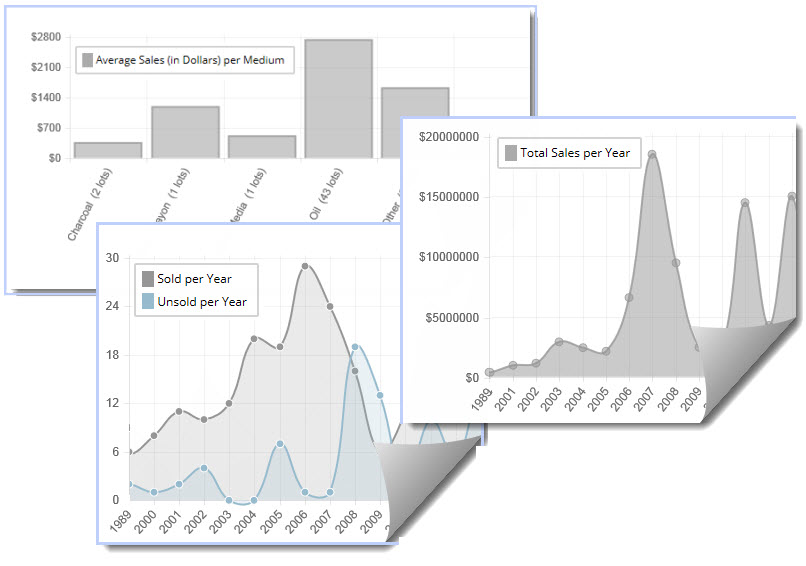
Barbara Hepworth PRICE CHARTS
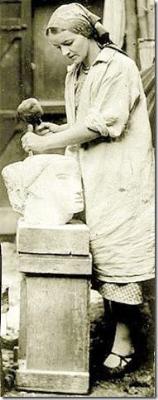
1903 Wakefield, Yorkshire, England - 1975 St. Ives, England. Known for: Direct carving abstract sculpture.
Barbara Hepworth, also known as Dame Barbara Hepworth, was one of the most prominent early 20th-Century British sculptors. She transitioned from Classical to abstract styles, which were organic and... Read full biography
Barbara Hepworth, also known as Dame Barbara Hepworth, was one of the most prominent early 20th-Century British sculptors. She transitioned from Classical to abstract styles, which were organic and geometric. At first, her approach was startling to the public, but by the 1950s, she was well... Read full biography
Barbara Hepworth, also known as Dame Barbara Hepworth, was one of the most prominent early 20th-Century British sculptors. She transitioned from Classical to abstract styles, which were organic and geometric. At first, her approach was startling to the public, but by the 1950s, she was well accepted and was receiving both national and international recognition including participation in the 1950 Venice Biennale and the 1959 Biennial exhibition in Sao Paulo, where she won the Grand Prix award.... Read full biography
Barbara Hepworth, also known as Dame Barbara Hepworth, was one of the most prominent early 20th-Century British sculptors. She transitioned from Classical to abstract styles, which were organic and geometric. At first, her approach was startling to the public, but by the 1950s, she was well accepted and was receiving both national and international recognition including participation in the 1950 Venice Biennale and the 1959 Biennial exhibition in Sao Paulo, where she won the Grand Prix award. The Universities of Birmingham (1960) and Leeds (1961) awarded her honorary doctorates, and in 1965, she received from the British government a highest honor, Dame of the Order of the British Empire. Many of her works are relatively small scale, but... Read full biography
Barbara Hepworth, also known as Dame Barbara Hepworth, was one of the most prominent early 20th-Century British sculptors. She transitioned from Classical to abstract styles, which were organic and geometric. At first, her approach was startling to the public, but by the 1950s, she was well accepted and was receiving both national and international recognition including participation in the 1950 Venice Biennale and the 1959 Biennial exhibition in Sao Paulo, where she won the Grand Prix award. The Universities of Birmingham (1960) and Leeds (1961) awarded her honorary doctorates, and in 1965, she received from the British government a highest honor, Dame of the Order of the British Empire. Many of her works are relatively small scale, but in her later years, she did increasingly larger pieces including Meridian for the State House in London, and the Hamme... Read full biography
Barbara Hepworth - Charts
Chart data loaded successfully