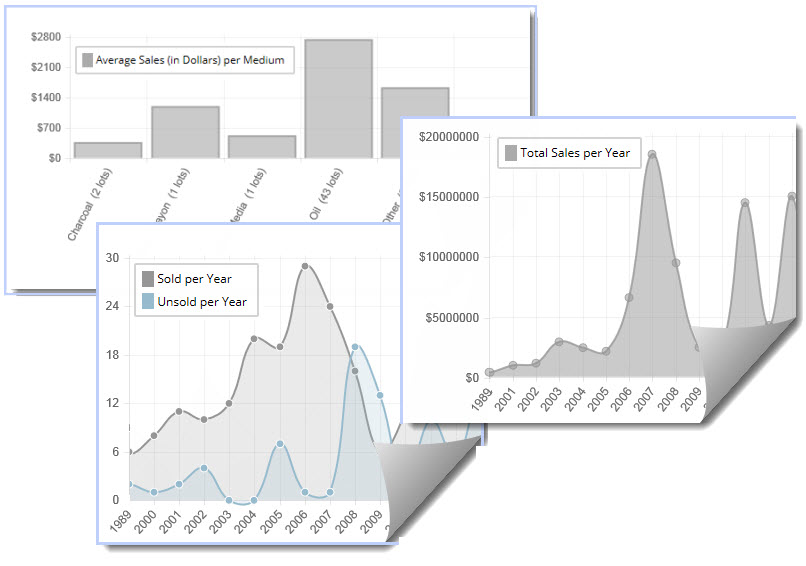
Bernhard Fries PRICE CHARTS
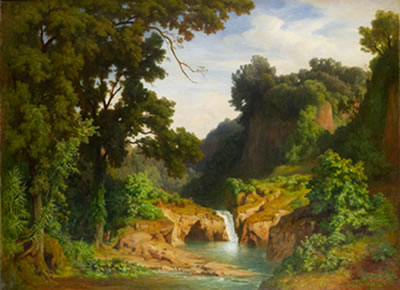
1820 Heidelberg, Germany - 1879 Munich, Germany. Known for: Landscape and coastal scene painting, geometric figures.
Like his older brother Ernst (1801-1833), Bernhard Fries repeatedly traveled to Italy. He came into contact with the art of Carl Rottmann from an early age. In 1860, after his father's bank went... Read full biography
Like his older brother Ernst (1801-1833), Bernhard Fries repeatedly traveled to Italy. He came into contact with the art of Carl Rottmann from an early age. In 1860, after his father's bank went bankrupt, Fries settled in Munich in order to support his family with the proceeds from his paintings.... Read full biography
Like his older brother Ernst (1801-1833), Bernhard Fries repeatedly traveled to Italy. He came into contact with the art of Carl Rottmann from an early age. In 1860, after his father's bank went bankrupt, Fries settled in Munich in order to support his family with the proceeds from his paintings. In the years that followed, up until 1866, he created his main painterly work: a cycle of forty Italian landscapes, which the frieze based on Rottmann's images of Italy in the Hofgarten arcades for a... Read full biography
Like his older brother Ernst (1801-1833), Bernhard Fries repeatedly traveled to Italy. He came into contact with the art of Carl Rottmann from an early age. In 1860, after his father's bank went bankrupt, Fries settled in Munich in order to support his family with the proceeds from his paintings. In the years that followed, up until 1866, he created his main painterly work: a cycle of forty Italian landscapes, which the frieze based on Rottmann's images of Italy in the Hofgarten arcades for a pavilion based on plans by his friend Gottfried Neureuther. The building never materialized, but the paintings were to be placed in two rows, one above the other, in a hall lit by an opening in the ceiling. Fries then intended to sell the cycle as a... Read full biography
Like his older brother Ernst (1801-1833), Bernhard Fries repeatedly traveled to Italy. He came into contact with the art of Carl Rottmann from an early age. In 1860, after his father's bank went bankrupt, Fries settled in Munich in order to support his family with the proceeds from his paintings. In the years that followed, up until 1866, he created his main painterly work: a cycle of forty Italian landscapes, which the frieze based on Rottmann's images of Italy in the Hofgarten arcades for a pavilion based on plans by his friend Gottfried Neureuther. The building never materialized, but the paintings were to be placed in two rows, one above the other, in a hall lit by an opening in the ceiling. Fries then intended to sell the cycle as a whole to King Ludwig II, but this plan also failed, which is why Fries was forced by his plight to sell the paintings... Read full biography
Bernhard Fries - Charts
Chart data loaded successfully