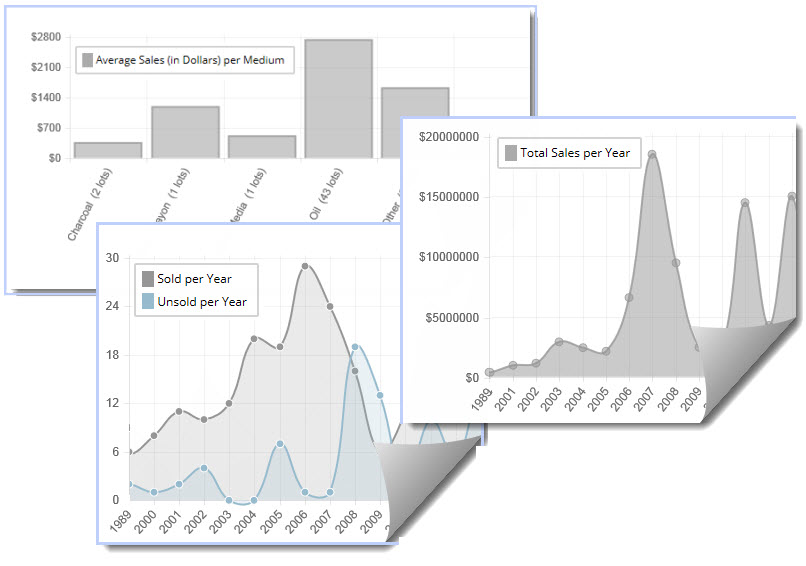
Caspar Netscher PRICE CHARTS
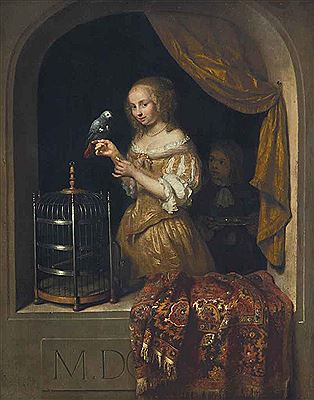
1639 Heidelberg - 1684 L'Aia. Known for: Painting.
Caspar Netscher trained under Gerard Terborch in Deventer, and went on to spend most of his early career in The Hague, where he settled in 1651. Netscher learned early on from Terborch the value of... Read full biography
Caspar Netscher trained under Gerard Terborch in Deventer, and went on to spend most of his early career in The Hague, where he settled in 1651. Netscher learned early on from Terborch the value of artfully depicting luxury goods, such as the white satin for which both masters were so renowned.... Read full biography
Caspar Netscher trained under Gerard Terborch in Deventer, and went on to spend most of his early career in The Hague, where he settled in 1651. Netscher learned early on from Terborch the value of artfully depicting luxury goods, such as the white satin for which both masters were so renowned. Netscher executed both genre and religious scenes, and at times he ventured toward mythological subjects. However, from about 1670 onward he devoted himself nearly exclusively to portraiture, often... Read full biography
Caspar Netscher trained under Gerard Terborch in Deventer, and went on to spend most of his early career in The Hague, where he settled in 1651. Netscher learned early on from Terborch the value of artfully depicting luxury goods, such as the white satin for which both masters were so renowned. Netscher executed both genre and religious scenes, and at times he ventured toward mythological subjects. However, from about 1670 onward he devoted himself nearly exclusively to portraiture, often painting members of the court circles in The Hague. His reputation was so highly regarded that King Charles II invited him to England. Netscher worked elegantly and with a bit of French influence, creating exquisitely finished works that were an influence... Read full biography
Caspar Netscher trained under Gerard Terborch in Deventer, and went on to spend most of his early career in The Hague, where he settled in 1651. Netscher learned early on from Terborch the value of artfully depicting luxury goods, such as the white satin for which both masters were so renowned. Netscher executed both genre and religious scenes, and at times he ventured toward mythological subjects. However, from about 1670 onward he devoted himself nearly exclusively to portraiture, often painting members of the court circles in The Hague. His reputation was so highly regarded that King Charles II invited him to England. Netscher worked elegantly and with a bit of French influence, creating exquisitely finished works that were an influence on Dutch portraiture well into the eighteenth century. His followers included his sons Constantijn (1688-1723) a... Read full biography
Caspar Netscher - Charts
Chart data loaded successfully