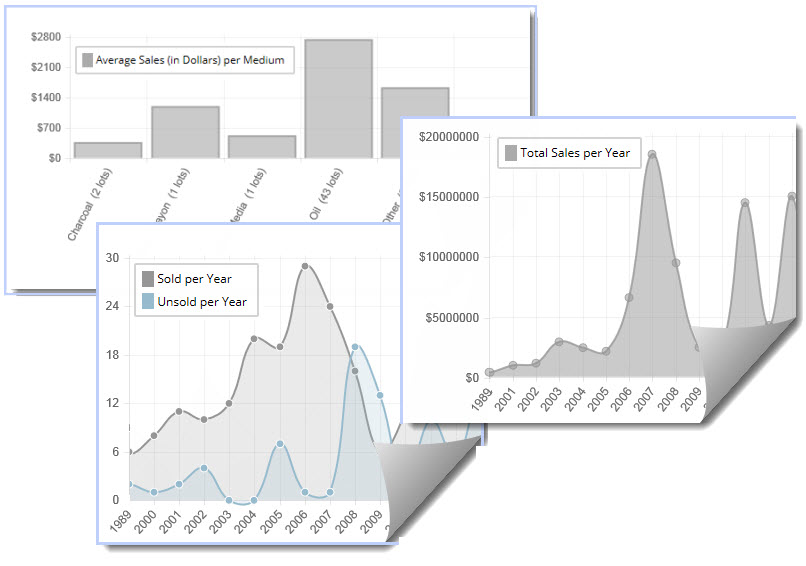
Claus Otto Paeffgen PRICE CHARTS
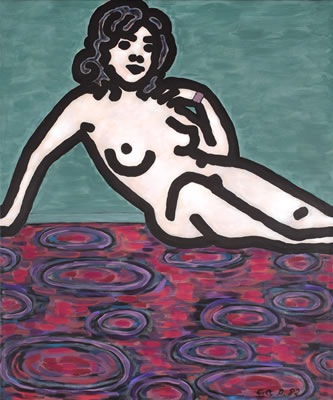
1933 Cologne, Germany - 2019. Known for: Realist painting of everyday objects, sculpture, outlined photographs.
Born in Cologne in 1933, Paeffgen first studied law in Berlin before turning to art as an autodidact at the end of the 1960s. In this initial phase, the so-called "wraps" were created, found objects... Read full biography
Born in Cologne in 1933, Paeffgen first studied law in Berlin before turning to art as an autodidact at the end of the 1960s. In this initial phase, the so-called "wraps" were created, found objects tied together and tied with wire, from which Paeffgen formed new structures. In 1970, after his... Read full biography
Born in Cologne in 1933, Paeffgen first studied law in Berlin before turning to art as an autodidact at the end of the 1960s. In this initial phase, the so-called "wraps" were created, found objects tied together and tied with wire, from which Paeffgen formed new structures. In 1970, after his return to Cologne, he transferred this design principle of "wrapping" to painting. The result was a second, central group of works in the artist's oeuvre, the "Umrandungen", in which Paeffgen used thick,... Read full biography
Born in Cologne in 1933, Paeffgen first studied law in Berlin before turning to art as an autodidact at the end of the 1960s. In this initial phase, the so-called "wraps" were created, found objects tied together and tied with wire, from which Paeffgen formed new structures. In 1970, after his return to Cologne, he transferred this design principle of "wrapping" to painting. The result was a second, central group of works in the artist's oeuvre, the "Umrandungen", in which Paeffgen used thick, thick, traced black lines. To do this, he first applied the template to the canvas using a printing process and then painted it with broad brushstrokes. Paeffgen only differentiated between the contours and the inner surfaces formed by them, which he... Read full biography
Born in Cologne in 1933, Paeffgen first studied law in Berlin before turning to art as an autodidact at the end of the 1960s. In this initial phase, the so-called "wraps" were created, found objects tied together and tied with wire, from which Paeffgen formed new structures. In 1970, after his return to Cologne, he transferred this design principle of "wrapping" to painting. The result was a second, central group of works in the artist's oeuvre, the "Umrandungen", in which Paeffgen used thick, thick, traced black lines. To do this, he first applied the template to the canvas using a printing process and then painted it with broad brushstrokes. Paeffgen only differentiated between the contours and the inner surfaces formed by them, which he filled with individual shades of color. The resulting completely two-dimensional image system simplifies the original pr... Read full biography
Claus Otto Paeffgen - Charts
Chart data loaded successfully