Ernesto Icaza PRICE CHARTS
1866 - 1935. Known for: Painting.
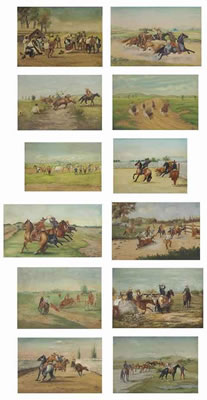
Born into an aristocratic family, Ernesto Icaza was well poised to explore the life of the charro, Mexico's "country gentleman" who frequently appears in nineteenth-century rural genre scenes. Like... Read full biography
Born into an aristocratic family, Ernesto Icaza was well poised to explore the life of the charro, Mexico's "country gentleman" who frequently appears in nineteenth-century rural genre scenes. Like the gaucho in Argentina or the cowboy in the United States, the charro embodies a "Wild West" persona... Read full biography
Born into an aristocratic family, Ernesto Icaza was well poised to explore the life of the charro, Mexico's "country gentleman" who frequently appears in nineteenth-century rural genre scenes. Like the gaucho in Argentina or the cowboy in the United States, the charro embodies a "Wild West" persona from a bygone era that has become tied to national identity. In the years in between independence and the Mexican Revolution, charro culture thrived as vast tracts of farming and ranch lands were... Read full biography
Born into an aristocratic family, Ernesto Icaza was well poised to explore the life of the charro, Mexico's "country gentleman" who frequently appears in nineteenth-century rural genre scenes. Like the gaucho in Argentina or the cowboy in the United States, the charro embodies a "Wild West" persona from a bygone era that has become tied to national identity. In the years in between independence and the Mexican Revolution, charro culture thrived as vast tracts of farming and ranch lands were owned and operated by hacendados, members of the country's wealthy elite, many of whom were friends or relatives of Icaza's family. The young Icaza was thus a frequently invited guest at numerous haciendas at the turn of the century, affording him the... Read full biography
Born into an aristocratic family, Ernesto Icaza was well poised to explore the life of the charro, Mexico's "country gentleman" who frequently appears in nineteenth-century rural genre scenes. Like the gaucho in Argentina or the cowboy in the United States, the charro embodies a "Wild West" persona from a bygone era that has become tied to national identity. In the years in between independence and the Mexican Revolution, charro culture thrived as vast tracts of farming and ranch lands were owned and operated by hacendados, members of the country's wealthy elite, many of whom were friends or relatives of Icaza's family. The young Icaza was thus a frequently invited guest at numerous haciendas at the turn of the century, affording him the opportunity to immerse himself in charro life. Indeed, Icaza spent his days not only painting charro traditions,... Read full biography
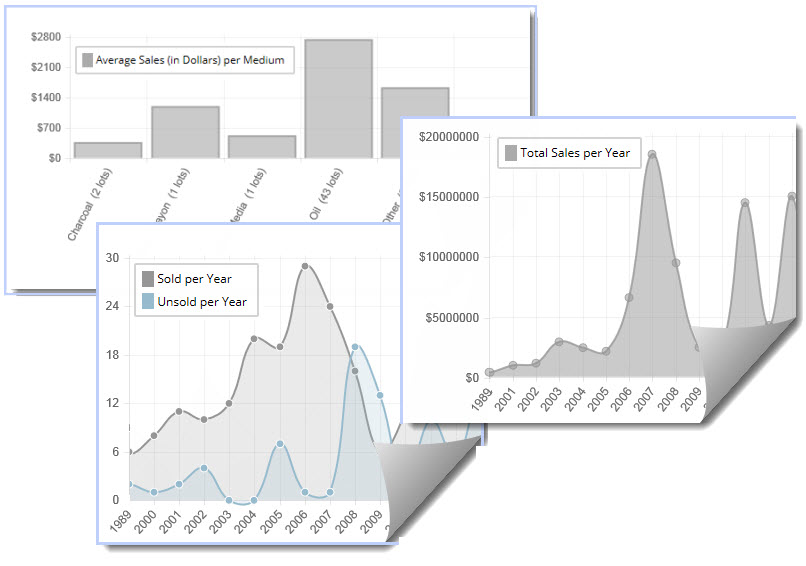
Ernesto Icaza - Charts
Chart data loaded successfully