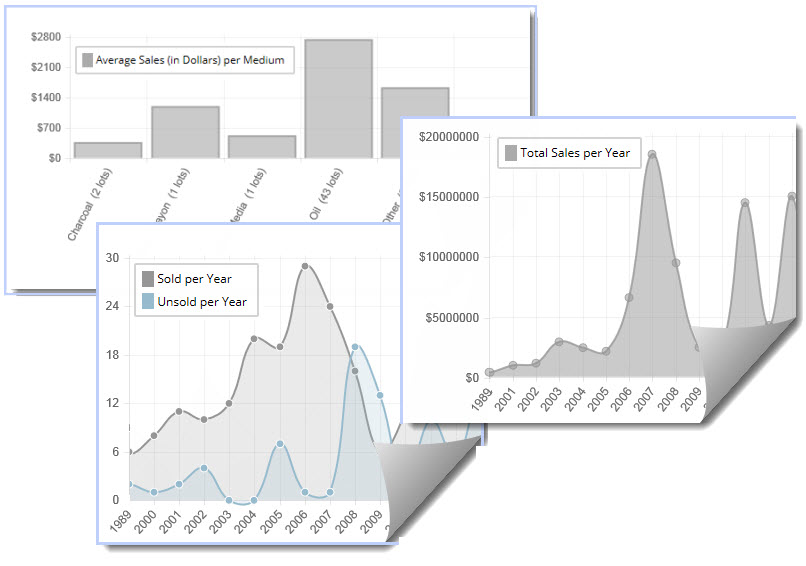
Ernst Elis Eriksson PRICE CHARTS
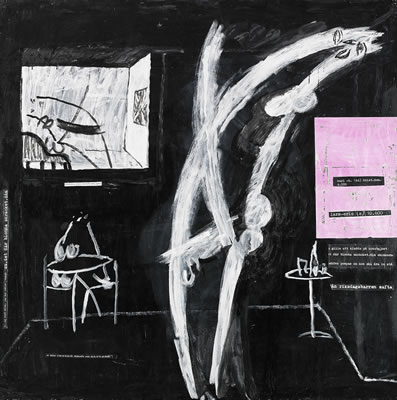
1906 Stockholm, Sweden - 2006 Stockholm, Sweden. Known for: Dadaist-inspired mixed-media works and satirical texts.
. Elis Ernst Eriksson (b. August 22, 1906, Stockholm – d. January 4, 2006, Stockholm) was a Swedish artist, sculptor, and writer, widely recognized as one of the most distinctive voices in postmodern... Read full biography
. Elis Ernst Eriksson (b. August 22, 1906, Stockholm – d. January 4, 2006, Stockholm) was a Swedish artist, sculptor, and writer, widely recognized as one of the most distinctive voices in postmodern Scandinavian art. His work is often described as anarchic, experimental, and stylistically akin to... Read full biography
. Elis Ernst Eriksson (b. August 22, 1906, Stockholm – d. January 4, 2006, Stockholm) was a Swedish artist, sculptor, and writer, widely recognized as one of the most distinctive voices in postmodern Scandinavian art. His work is often described as anarchic, experimental, and stylistically akin to Dadaism, blending visual art with poetic and political text. Eriksson studied at the Royal University College of Fine Arts (Konsthögskolan) in Stockholm from 1934 to 1939, following earlier studies at... Read full biography
. Elis Ernst Eriksson (b. August 22, 1906, Stockholm – d. January 4, 2006, Stockholm) was a Swedish artist, sculptor, and writer, widely recognized as one of the most distinctive voices in postmodern Scandinavian art. His work is often described as anarchic, experimental, and stylistically akin to Dadaism, blending visual art with poetic and political text. Eriksson studied at the Royal University College of Fine Arts (Konsthögskolan) in Stockholm from 1934 to 1939, following earlier studies at the University College of Arts, Crafts and Design. His artistic breakthrough came in 1959, when he exhibited wooden reliefs and paper collages that combined text and paint in a raw, expressive style. He referred to this moment as his artistic... Read full biography
. Elis Ernst Eriksson (b. August 22, 1906, Stockholm – d. January 4, 2006, Stockholm) was a Swedish artist, sculptor, and writer, widely recognized as one of the most distinctive voices in postmodern Scandinavian art. His work is often described as anarchic, experimental, and stylistically akin to Dadaism, blending visual art with poetic and political text. Eriksson studied at the Royal University College of Fine Arts (Konsthögskolan) in Stockholm from 1934 to 1939, following earlier studies at the University College of Arts, Crafts and Design. His artistic breakthrough came in 1959, when he exhibited wooden reliefs and paper collages that combined text and paint in a raw, expressive style. He referred to this moment as his artistic rebirth, marking a decisive shift away from realism and post-Cubist traditions toward a freer, more conceptual approach. In 1965, Eri.... Read full biography
Ernst Elis Eriksson - Charts
Chart data loaded successfully