George Edward Horton PRICE CHARTS
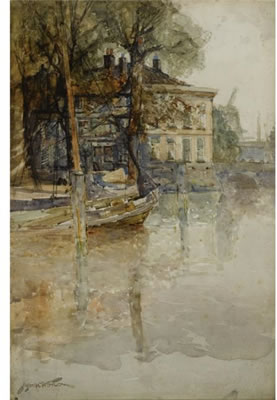
1859 North Shields, England - 1950. Known for: Landscape, shipping subject, Dutch coastal scene painting.
George Horton, a member of the Bewick Club and the Cullercoats Colony, was born in North Shields and, on leaving school became a delivery boy for his father, a butcher. His mother, bizarrely, asked... Read full biography
George Horton, a member of the Bewick Club and the Cullercoats Colony, was born in North Shields and, on leaving school became a delivery boy for his father, a butcher. His mother, bizarrely, asked him to leave home when she found him drawing an animal's skull. As he then decided to become a... Read full biography
George Horton, a member of the Bewick Club and the Cullercoats Colony, was born in North Shields and, on leaving school became a delivery boy for his father, a butcher. His mother, bizarrely, asked him to leave home when she found him drawing an animal's skull. As he then decided to become a professional artist, having moved in with relatives, his mother's reaction did the art world a service! . Horton exhibited widely in the North and moved to London in 1918. From the late 1890s he made... Read full biography
George Horton, a member of the Bewick Club and the Cullercoats Colony, was born in North Shields and, on leaving school became a delivery boy for his father, a butcher. His mother, bizarrely, asked him to leave home when she found him drawing an animal's skull. As he then decided to become a professional artist, having moved in with relatives, his mother's reaction did the art world a service! . Horton exhibited widely in the North and moved to London in 1918. From the late 1890s he made regular trips to Holland. His work is very distinctive and has always been considered undervalued commercially. Source:. https://www.thewallingtongallery.co.uk/collections/george-edward-horton-1859-1950
George Horton, a member of the Bewick Club and the Cullercoats Colony, was born in North Shields and, on leaving school became a delivery boy for his father, a butcher. His mother, bizarrely, asked him to leave home when she found him drawing an animal's skull. As he then decided to become a professional artist, having moved in with relatives, his mother's reaction did the art world a service! . Horton exhibited widely in the North and moved to London in 1918. From the late 1890s he made regular trips to Holland. His work is very distinctive and has always been considered undervalued commercially. Source:. https://www.thewallingtongallery.co.uk/collections/george-edward-horton-1859-1950
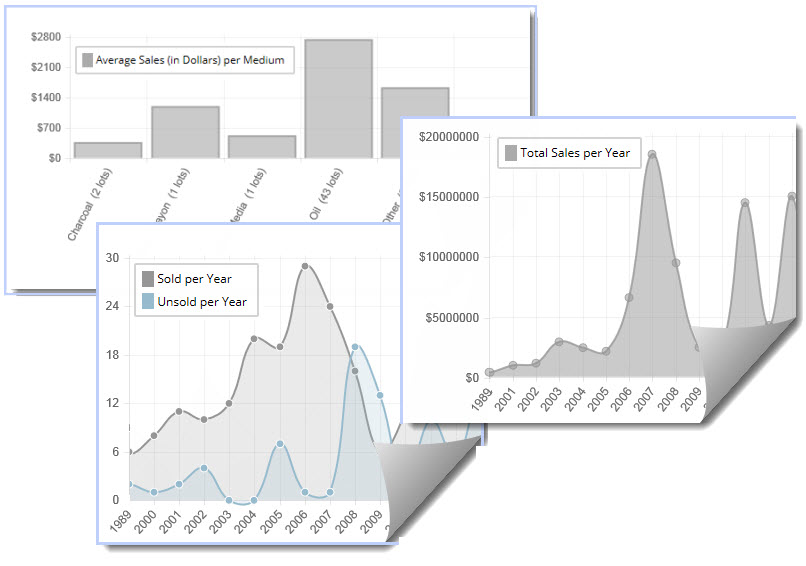
George Edward Horton - Charts
Chart data loaded successfully