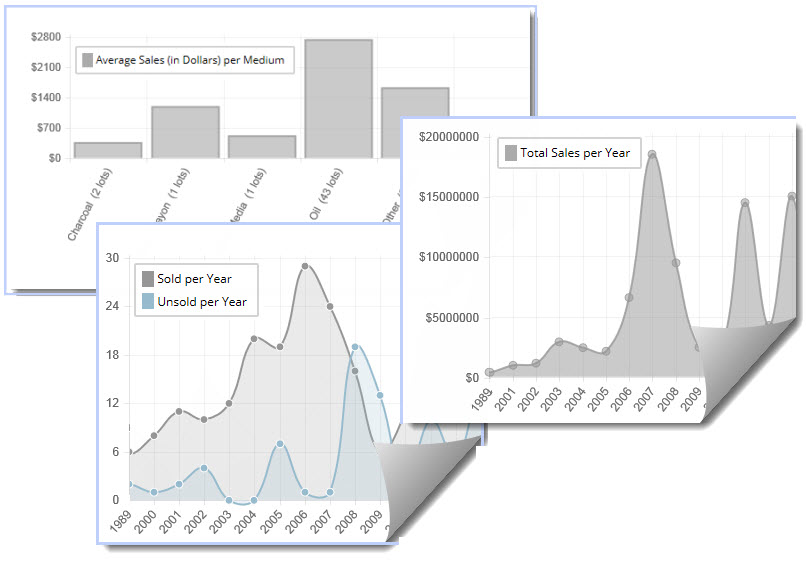
Geza Kadar PRICE CHARTS

1878 Máramarossziget - 1952 Nagybána. Known for: Baia-Mare landscapes; post-impressionist and plein-air painting; neo-Romanian stylistic influence.
Géza Kádár studied at the School of Applied Arts in Budapest and later at Simon Hollósy’s painting school in Munich. Géza Kádár was predominantly a landscape painter, though he also created... Read full biography
Géza Kádár studied at the School of Applied Arts in Budapest and later at Simon Hollósy’s painting school in Munich. Géza Kádár was predominantly a landscape painter, though he also created still-life studies. Géza Kádár settled in Baia-Mare, where his painting style was shaped by... Read full biography
Géza Kádár studied at the School of Applied Arts in Budapest and later at Simon Hollósy’s painting school in Munich. Géza Kádár was predominantly a landscape painter, though he also created still-life studies. Géza Kádár settled in Baia-Mare, where his painting style was shaped by post-impressionist and plein-air directions as well as neo-Romanian innovations. Géza Kádár’s nephew, György Vida, wrote about his life and work in The works and life path of Géza Kádár (Bucharest, 1993), documenting... Read full biography
Géza Kádár studied at the School of Applied Arts in Budapest and later at Simon Hollósy’s painting school in Munich. Géza Kádár was predominantly a landscape painter, though he also created still-life studies. Géza Kádár settled in Baia-Mare, where his painting style was shaped by post-impressionist and plein-air directions as well as neo-Romanian innovations. Géza Kádár’s nephew, György Vida, wrote about his life and work in The works and life path of Géza Kádár (Bucharest, 1993), documenting his artistic development and contributions to the Baia-Mare school.
Géza Kádár studied at the School of Applied Arts in Budapest and later at Simon Hollósy’s painting school in Munich. Géza Kádár was predominantly a landscape painter, though he also created still-life studies. Géza Kádár settled in Baia-Mare, where his painting style was shaped by post-impressionist and plein-air directions as well as neo-Romanian innovations. Géza Kádár’s nephew, György Vida, wrote about his life and work in The works and life path of Géza Kádár (Bucharest, 1993), documenting his artistic development and contributions to the Baia-Mare school.
Geza Kadar - Charts
Chart data loaded successfully