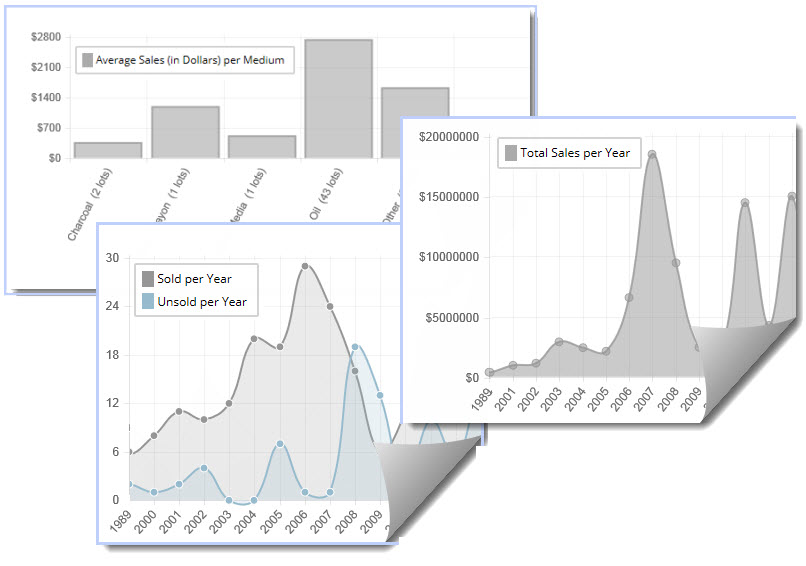
Gustav Marx PRICE CHARTS
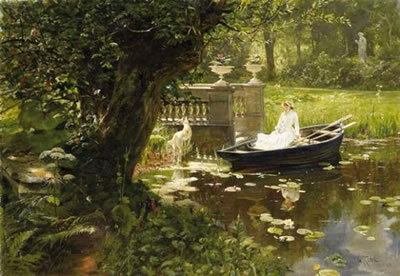
1855 Hamburg - 1928/29 Düsseldorf. Known for: Landscape, genre and horse painter, illustrator, lithographer.
Marx is regarded as one of the best-known Düsseldorf painters of horses, animals, and landscapes. He was particularly fascinated by the world of equestrian sport and its affluent bourgeois clientele.... Read full biography
Marx is regarded as one of the best-known Düsseldorf painters of horses, animals, and landscapes. He was particularly fascinated by the world of equestrian sport and its affluent bourgeois clientele. At the beginning of his artistic career, he initially worked as a lithographer in Düsseldorf, as he... Read full biography
Marx is regarded as one of the best-known Düsseldorf painters of horses, animals, and landscapes. He was particularly fascinated by the world of equestrian sport and its affluent bourgeois clientele. At the beginning of his artistic career, he initially worked as a lithographer in Düsseldorf, as he could not afford formal training in painting. Thanks to a scholarship awarded in 1874, he was able to study under Christian Kroner (1838-1911) and Wilhelm Camphausen (1818-1885). Strongly influenced... Read full biography
Marx is regarded as one of the best-known Düsseldorf painters of horses, animals, and landscapes. He was particularly fascinated by the world of equestrian sport and its affluent bourgeois clientele. At the beginning of his artistic career, he initially worked as a lithographer in Düsseldorf, as he could not afford formal training in painting. Thanks to a scholarship awarded in 1874, he was able to study under Christian Kroner (1838-1911) and Wilhelm Camphausen (1818-1885). Strongly influenced by his teachers, especially in landscape and historical painting, he taught himself the anatomically accurate depiction of animals through extensive drawing studies. His early work was shaped by the late Romantic tradition, which later transitioned... Read full biography
Marx is regarded as one of the best-known Düsseldorf painters of horses, animals, and landscapes. He was particularly fascinated by the world of equestrian sport and its affluent bourgeois clientele. At the beginning of his artistic career, he initially worked as a lithographer in Düsseldorf, as he could not afford formal training in painting. Thanks to a scholarship awarded in 1874, he was able to study under Christian Kroner (1838-1911) and Wilhelm Camphausen (1818-1885). Strongly influenced by his teachers, especially in landscape and historical painting, he taught himself the anatomically accurate depiction of animals through extensive drawing studies. His early work was shaped by the late Romantic tradition, which later transitioned into a naturalistic phase, incorporating elements of Impressionism.... Read full biography
Gustav Marx - Charts
Chart data loaded successfully