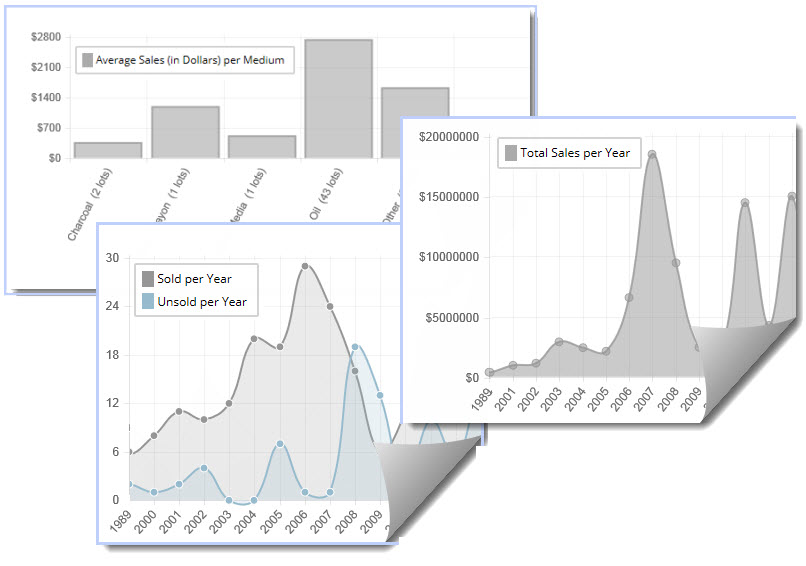
Heinrich Siepmann PRICE CHARTS
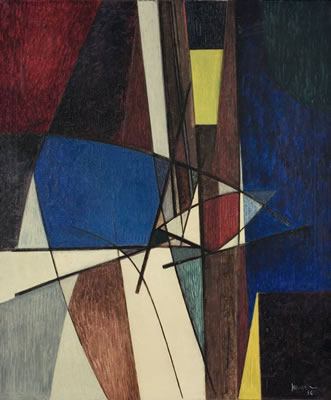
1904 Mulheim an der Ruhr - 2002 Mülheim an der Ruhr. Known for: Constructivism, painting, sculpture, and collage.
Heinrich Siepmann was a German artist born in 1904 in Mülheim an der Ruhr. He belonged to the second generation of Constructivists, a non-objective art movement based on geometric forms that emerged... Read full biography
Heinrich Siepmann was a German artist born in 1904 in Mülheim an der Ruhr. He belonged to the second generation of Constructivists, a non-objective art movement based on geometric forms that emerged in revolutionary Russia in the first half of the 20th century. Siepmann co-founded the artists'... Read full biography
Heinrich Siepmann was a German artist born in 1904 in Mülheim an der Ruhr. He belonged to the second generation of Constructivists, a non-objective art movement based on geometric forms that emerged in revolutionary Russia in the first half of the 20th century. Siepmann co-founded the artists' group ''junger Westen'' in 1948, which aimed to restore Germany's connection to modern art lost during the National Socialist era. He developed his own formal language within Constructivism, which moved... Read full biography
Heinrich Siepmann was a German artist born in 1904 in Mülheim an der Ruhr. He belonged to the second generation of Constructivists, a non-objective art movement based on geometric forms that emerged in revolutionary Russia in the first half of the 20th century. Siepmann co-founded the artists' group ''junger Westen'' in 1948, which aimed to restore Germany's connection to modern art lost during the National Socialist era. He developed his own formal language within Constructivism, which moved in a tension between geometric rigour and free abstraction. Siepmann died in 2002, leaving behind an oeuvre that includes over 1200 paintings, as well as numerous collages and sculptures.
Heinrich Siepmann was a German artist born in 1904 in Mülheim an der Ruhr. He belonged to the second generation of Constructivists, a non-objective art movement based on geometric forms that emerged in revolutionary Russia in the first half of the 20th century. Siepmann co-founded the artists' group ''junger Westen'' in 1948, which aimed to restore Germany's connection to modern art lost during the National Socialist era. He developed his own formal language within Constructivism, which moved in a tension between geometric rigour and free abstraction. Siepmann died in 2002, leaving behind an oeuvre that includes over 1200 paintings, as well as numerous collages and sculptures.
Heinrich Siepmann - Charts
Chart data loaded successfully