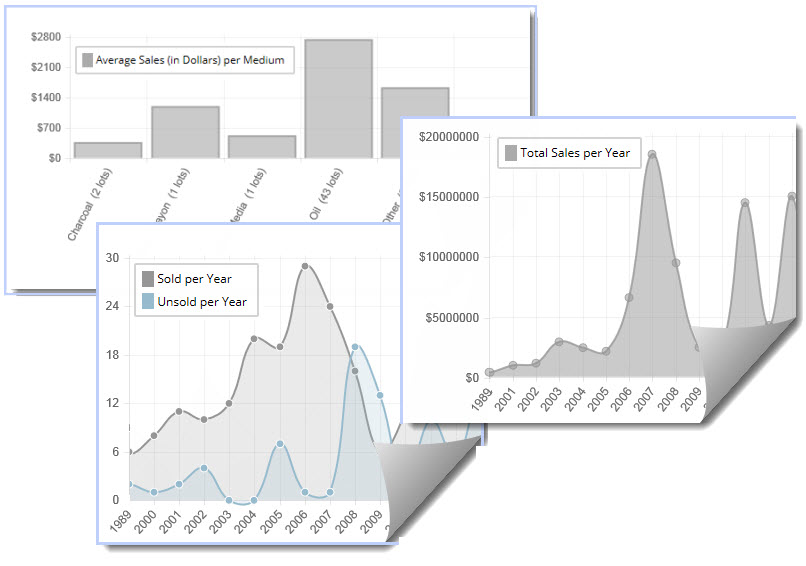
Hui Wang PRICE CHARTS
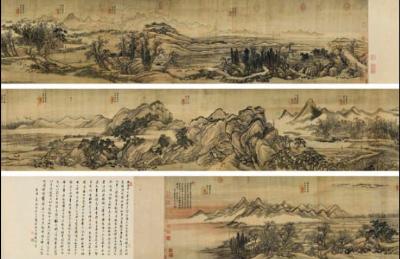
1632 Jianmen Qiaoke, Changshu, Jiangsu - 1717. Known for: Historical landscape painting.
Wang Hui, the most celebrated painter of late seventeenth-century China, played a key role in reinvigorating past traditions of landscape painting and establishing the stylistic foundations for the... Read full biography
Wang Hui, the most celebrated painter of late seventeenth-century China, played a key role in reinvigorating past traditions of landscape painting and establishing the stylistic foundations for the imperially sponsored art of the Qing court. Drawing upon his protean talent and immense ambition,... Read full biography
Wang Hui, the most celebrated painter of late seventeenth-century China, played a key role in reinvigorating past traditions of landscape painting and establishing the stylistic foundations for the imperially sponsored art of the Qing court. Drawing upon his protean talent and immense ambition, Wang developed an all-embracing synthesis of historical landscape styles that constituted one of the greatest artistic innovations of late imperial China. Wang's stature was confirmed in 1698, when the... Read full biography
Wang Hui, the most celebrated painter of late seventeenth-century China, played a key role in reinvigorating past traditions of landscape painting and establishing the stylistic foundations for the imperially sponsored art of the Qing court. Drawing upon his protean talent and immense ambition, Wang developed an all-embracing synthesis of historical landscape styles that constituted one of the greatest artistic innovations of late imperial China. Wang's stature was confirmed in 1698, when the emperor bestowed upon him the encomium "Landscapes Clear and Radiant.". Wang's landscape art was not based on direct encounters with nature; rather, he sought to achieve a spiritual resonance with an orthodox lineage of great masters while creatively... Read full biography
Wang Hui, the most celebrated painter of late seventeenth-century China, played a key role in reinvigorating past traditions of landscape painting and establishing the stylistic foundations for the imperially sponsored art of the Qing court. Drawing upon his protean talent and immense ambition, Wang developed an all-embracing synthesis of historical landscape styles that constituted one of the greatest artistic innovations of late imperial China. Wang's stature was confirmed in 1698, when the emperor bestowed upon him the encomium "Landscapes Clear and Radiant.". Wang's landscape art was not based on direct encounters with nature; rather, he sought to achieve a spiritual resonance with an orthodox lineage of great masters while creatively transforming their styles. Engaging in an inventive dialogue with the past, Wang evoked the stylistic personas of earlier masters while making wo... Read full biography
Hui Wang - Charts
Chart data loaded successfully