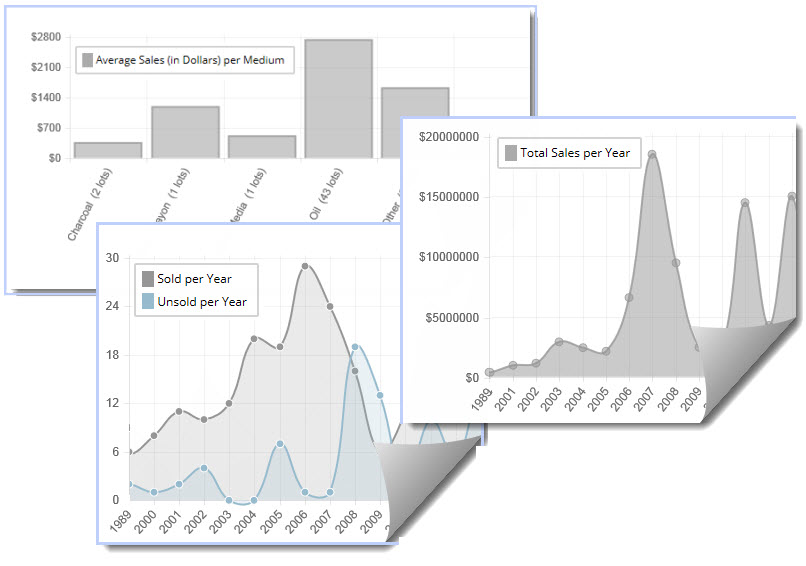
Jacopo di Cione PRICE CHARTS
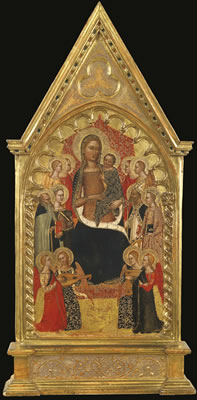
1320/30 Florence, Italy - 1398/40 Florence, Italy. Known for: Christian religion figures for churches and cathedrals, Madonna with Child.
Born in Florence between 1320 and 1330, Jacopo di Cione is closely associated with his three older brothers Andrea di Cione di Arcangelo (called Orcagna), Nardo di Cione and Matteo di Cione. The di... Read full biography
Born in Florence between 1320 and 1330, Jacopo di Cione is closely associated with his three older brothers Andrea di Cione di Arcangelo (called Orcagna), Nardo di Cione and Matteo di Cione. The di Cione (pronounced dee choh’ nay) brothers often worked collaboratively. Jacopo lived in the popolo... Read full biography
Born in Florence between 1320 and 1330, Jacopo di Cione is closely associated with his three older brothers Andrea di Cione di Arcangelo (called Orcagna), Nardo di Cione and Matteo di Cione. The di Cione (pronounced dee choh’ nay) brothers often worked collaboratively. Jacopo lived in the popolo Sancte Marie Novelle and, later in life, in the popolo Sancti Laurentii. In 1366–68 Jacopo worked on a large chamber in the guildhall of the judges and notaries, Florence (a surviving altarpiece with... Read full biography
Born in Florence between 1320 and 1330, Jacopo di Cione is closely associated with his three older brothers Andrea di Cione di Arcangelo (called Orcagna), Nardo di Cione and Matteo di Cione. The di Cione (pronounced dee choh’ nay) brothers often worked collaboratively. Jacopo lived in the popolo Sancte Marie Novelle and, later in life, in the popolo Sancti Laurentii. In 1366–68 Jacopo worked on a large chamber in the guildhall of the judges and notaries, Florence (a surviving altarpiece with Crucifixion is in the National Gallery, London). After Andrea's death in 1368, Jacopo took over some of his brother's commissions, for example guaranteeing to complete a painting of the Virgin and assuming responsibility for the altarpiece of St... Read full biography
Born in Florence between 1320 and 1330, Jacopo di Cione is closely associated with his three older brothers Andrea di Cione di Arcangelo (called Orcagna), Nardo di Cione and Matteo di Cione. The di Cione (pronounced dee choh’ nay) brothers often worked collaboratively. Jacopo lived in the popolo Sancte Marie Novelle and, later in life, in the popolo Sancti Laurentii. In 1366–68 Jacopo worked on a large chamber in the guildhall of the judges and notaries, Florence (a surviving altarpiece with Crucifixion is in the National Gallery, London). After Andrea's death in 1368, Jacopo took over some of his brother's commissions, for example guaranteeing to complete a painting of the Virgin and assuming responsibility for the altarpiece of St Matthew, both for the Orsanmichele, Florence. He enrolled in the Arte dei Medici e Speziali in 1369, and was one of the consuls of the guild in 1384,... Read full biography
Jacopo di Cione - Charts
Chart data loaded successfully