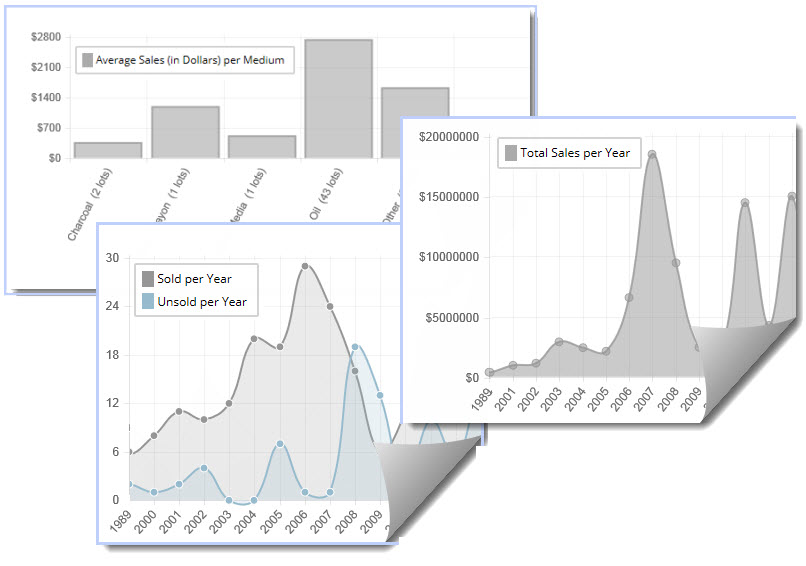
Jan van de Venne PRICE CHARTS
1632 Mechelen - c.1651 Brussels. Known for: Painting.
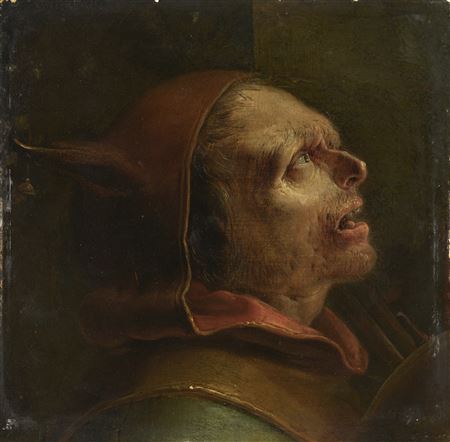
JAN VAN DER VENNE, CALLED PSEUDO VAN DE VENNE (CIRCA 1600-BEFORE 1651), A FOOL, SEEN IN PROFILE, OIL ON PANELRepresentations of madness and madmen have spanned the centuries, reflecting society's... Read full biography
JAN VAN DER VENNE, CALLED PSEUDO VAN DE VENNE (CIRCA 1600-BEFORE 1651), A FOOL, SEEN IN PROFILE, OIL ON PANELRepresentations of madness and madmen have spanned the centuries, reflecting society's changing perceptions of insanity. The Musée du Louvre (Paris) recently explored this theme in its... Read full biography
JAN VAN DER VENNE, CALLED PSEUDO VAN DE VENNE (CIRCA 1600-BEFORE 1651), A FOOL, SEEN IN PROFILE, OIL ON PANELRepresentations of madness and madmen have spanned the centuries, reflecting society's changing perceptions of insanity. The Musée du Louvre (Paris) recently explored this theme in its exhibition Figures du fou - Du Moyen Âge aux Romantiques (October 2024-February 2025).In the Middle Ages, the madman was often seen through a religious lens. He embodied the fool who turned away from God,... Read full biography
JAN VAN DER VENNE, CALLED PSEUDO VAN DE VENNE (CIRCA 1600-BEFORE 1651), A FOOL, SEEN IN PROFILE, OIL ON PANELRepresentations of madness and madmen have spanned the centuries, reflecting society's changing perceptions of insanity. The Musée du Louvre (Paris) recently explored this theme in its exhibition Figures du fou - Du Moyen Âge aux Romantiques (October 2024-February 2025).In the Middle Ages, the madman was often seen through a religious lens. He embodied the fool who turned away from God, a depiction inspired by Psalm 52: ‘The fool said in his heart: There is no God!' Over time, the figure of the madman moved out of the strictly religious sphere and into the secular realm. Novels of chivalry depicted heroes such as Yvain and Lancelot... Read full biography
JAN VAN DER VENNE, CALLED PSEUDO VAN DE VENNE (CIRCA 1600-BEFORE 1651), A FOOL, SEEN IN PROFILE, OIL ON PANELRepresentations of madness and madmen have spanned the centuries, reflecting society's changing perceptions of insanity. The Musée du Louvre (Paris) recently explored this theme in its exhibition Figures du fou - Du Moyen Âge aux Romantiques (October 2024-February 2025).In the Middle Ages, the madman was often seen through a religious lens. He embodied the fool who turned away from God, a depiction inspired by Psalm 52: ‘The fool said in his heart: There is no God!' Over time, the figure of the madman moved out of the strictly religious sphere and into the secular realm. Novels of chivalry depicted heroes such as Yvain and Lancelot sinking into amorous madness, illustrating the fine line betwee... Read full biography
Jan van de Venne - Charts
Chart data loaded successfully