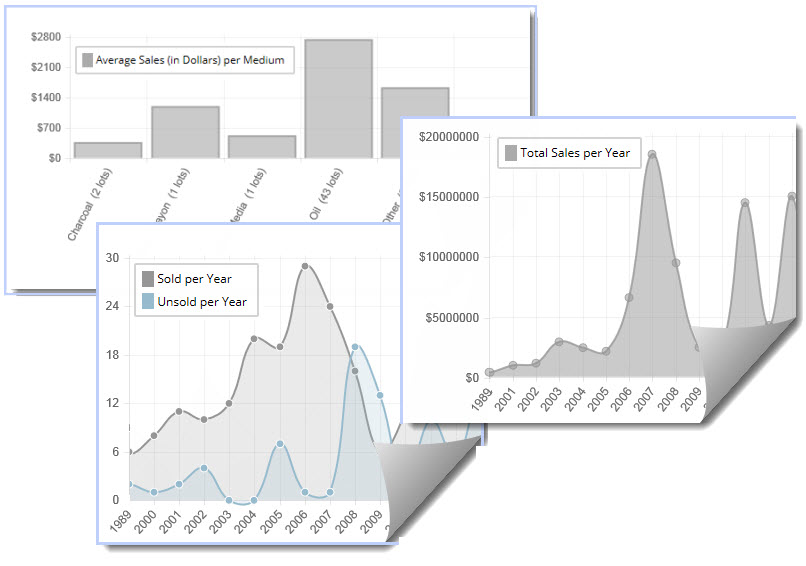
Jinshi Zhu PRICE CHARTS
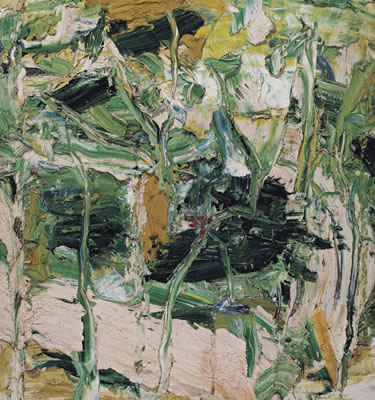
Born 1954 Beijing, China. Known for: Abstract, non-objective painting, installation and conceptual art.
Zhu Jinshi (b. 1954, Beijing) has defined his artistic practice of forty years with thoughtful explorations into the meaning of painting, abstraction, and the nature of reality itself. His early... Read full biography
Zhu Jinshi (b. 1954, Beijing) has defined his artistic practice of forty years with thoughtful explorations into the meaning of painting, abstraction, and the nature of reality itself. His early exposure to the works of Wassily Kandinsky and Immanuel Kant became his gateway to modern art and... Read full biography
Zhu Jinshi (b. 1954, Beijing) has defined his artistic practice of forty years with thoughtful explorations into the meaning of painting, abstraction, and the nature of reality itself. His early exposure to the works of Wassily Kandinsky and Immanuel Kant became his gateway to modern art and theory; the latter’s argument that the world has no subject and is wholly constructed by form, solidified his commitment to the materiality of painting instead of image. From this foundation, Zhu’s... Read full biography
Zhu Jinshi (b. 1954, Beijing) has defined his artistic practice of forty years with thoughtful explorations into the meaning of painting, abstraction, and the nature of reality itself. His early exposure to the works of Wassily Kandinsky and Immanuel Kant became his gateway to modern art and theory; the latter’s argument that the world has no subject and is wholly constructed by form, solidified his commitment to the materiality of painting instead of image. From this foundation, Zhu’s paintings have evolved into dense and expressive bodies of color and texture, commanding a near sculptural presence. These works can be categorized as Zhu’s “All Over” paintings, where his ambitious mark-making and formations extend to the ends of the... Read full biography
Zhu Jinshi (b. 1954, Beijing) has defined his artistic practice of forty years with thoughtful explorations into the meaning of painting, abstraction, and the nature of reality itself. His early exposure to the works of Wassily Kandinsky and Immanuel Kant became his gateway to modern art and theory; the latter’s argument that the world has no subject and is wholly constructed by form, solidified his commitment to the materiality of painting instead of image. From this foundation, Zhu’s paintings have evolved into dense and expressive bodies of color and texture, commanding a near sculptural presence. These works can be categorized as Zhu’s “All Over” paintings, where his ambitious mark-making and formations extend to the ends of the canvas. Another body of work, “Liubai” (liúbái, meaning “to leave blank”) employs thick dabs of paint in equilibrium with the surrounding bar... Read full biography
Jinshi Zhu - Charts
Chart data loaded successfully