Joaquin Araujo Y Ruano PRICE CHARTS
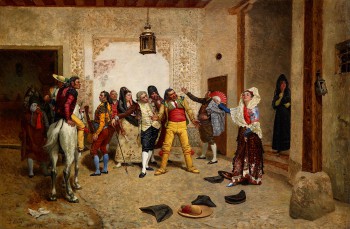
1851 Cuidad Real - 1894 Madrid. Known for: Costumbrista and historical scenes.
. Araujo was born in La Mancha and worked as a copyist at the Prado Museum, where he frequently studied and replicated works by Velázquez, Goya, Titian, and Van Dyck. His dedication to mastering... Read full biography
. Araujo was born in La Mancha and worked as a copyist at the Prado Museum, where he frequently studied and replicated works by Velázquez, Goya, Titian, and Van Dyck. His dedication to mastering classical techniques led him to Rome, where he further refined his artistic training. In 1880, after a... Read full biography
. Araujo was born in La Mancha and worked as a copyist at the Prado Museum, where he frequently studied and replicated works by Velázquez, Goya, Titian, and Van Dyck. His dedication to mastering classical techniques led him to Rome, where he further refined his artistic training. In 1880, after a period in France, Araujo became actively involved in the artistic and cultural scene. He joined the Círculo de Bellas Artes and participated in its first exhibition that same year. In 1881, after a... Read full biography
. Araujo was born in La Mancha and worked as a copyist at the Prado Museum, where he frequently studied and replicated works by Velázquez, Goya, Titian, and Van Dyck. His dedication to mastering classical techniques led him to Rome, where he further refined his artistic training. In 1880, after a period in France, Araujo became actively involved in the artistic and cultural scene. He joined the Círculo de Bellas Artes and participated in its first exhibition that same year. In 1881, after a decade-long absence, he returned to the National Exhibition, presenting paintings depicting Sevillian customs—a theme that would become central to his work throughout the decade. Araujo’s paintings often captured popular figures and rural life,... Read full biography
. Araujo was born in La Mancha and worked as a copyist at the Prado Museum, where he frequently studied and replicated works by Velázquez, Goya, Titian, and Van Dyck. His dedication to mastering classical techniques led him to Rome, where he further refined his artistic training. In 1880, after a period in France, Araujo became actively involved in the artistic and cultural scene. He joined the Círculo de Bellas Artes and participated in its first exhibition that same year. In 1881, after a decade-long absence, he returned to the National Exhibition, presenting paintings depicting Sevillian customs—a theme that would become central to his work throughout the decade. Araujo’s paintings often captured popular figures and rural life, emphasizing the representation of a single human type accompanied by an identifying object that enhanced its distinctiveness. Between 1.... Read full biography
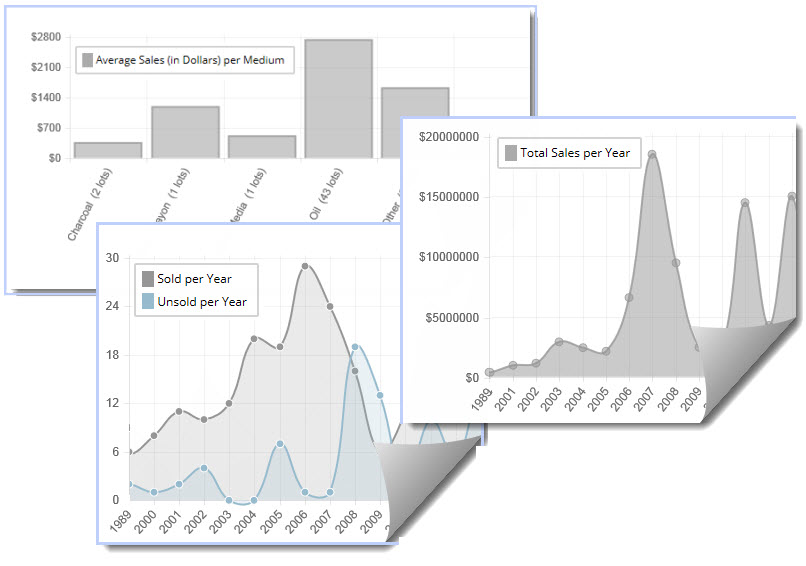
Joaquin Araujo Y Ruano - Charts
Chart data loaded successfully