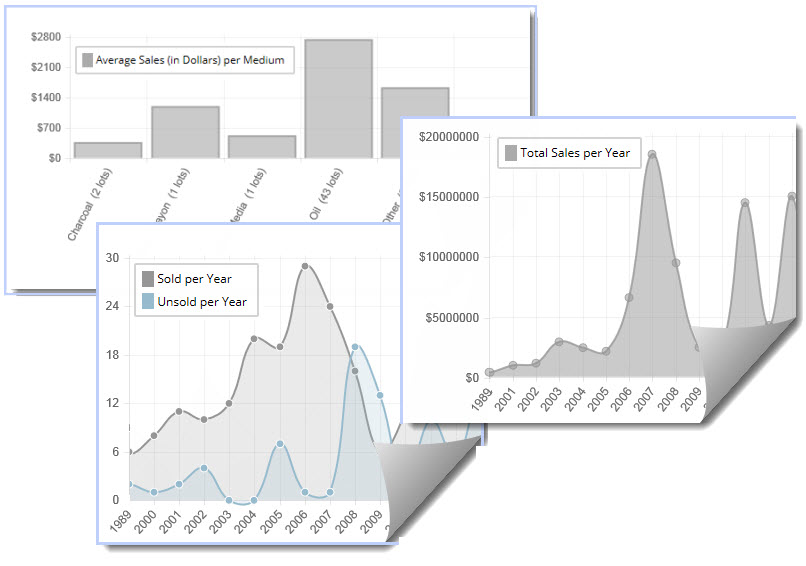
Jose Bedia Valdes PRICE CHARTS
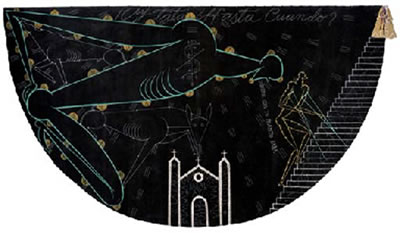
Born 1959 Havana, Cuba. Known for: Visual language, abstract ritual.
Jose Bedia get his first formal art training in Cuba, at the San Alejandro school from 1972 to 1976, then at the Instituto Superior de Arte from 1976 to 1981. There he encountered genres of Western... Read full biography
Jose Bedia get his first formal art training in Cuba, at the San Alejandro school from 1972 to 1976, then at the Instituto Superior de Arte from 1976 to 1981. There he encountered genres of Western painting, plus a dash of Socialist Realism. Following a stint in the Cuban Army (he served in Angola,... Read full biography
Jose Bedia get his first formal art training in Cuba, at the San Alejandro school from 1972 to 1976, then at the Instituto Superior de Arte from 1976 to 1981. There he encountered genres of Western painting, plus a dash of Socialist Realism. Following a stint in the Cuban Army (he served in Angola, where he found opportunities to extend his knowledge of African art and culture), Bedia resumed his artistic career. In 1985, he made his first visit to the United States for a four-month artist's... Read full biography
Jose Bedia get his first formal art training in Cuba, at the San Alejandro school from 1972 to 1976, then at the Instituto Superior de Arte from 1976 to 1981. There he encountered genres of Western painting, plus a dash of Socialist Realism. Following a stint in the Cuban Army (he served in Angola, where he found opportunities to extend his knowledge of African art and culture), Bedia resumed his artistic career. In 1985, he made his first visit to the United States for a four-month artist's residency and participation in a traveling show titled "New Art in Cuba." Bedia left Havana in 1990 and after spending several years in Mexico City, then moved to Miami with his wife and son in 1993. Bedia uses the world of visual languages - Kongo and... Read full biography
Jose Bedia get his first formal art training in Cuba, at the San Alejandro school from 1972 to 1976, then at the Instituto Superior de Arte from 1976 to 1981. There he encountered genres of Western painting, plus a dash of Socialist Realism. Following a stint in the Cuban Army (he served in Angola, where he found opportunities to extend his knowledge of African art and culture), Bedia resumed his artistic career. In 1985, he made his first visit to the United States for a four-month artist's residency and participation in a traveling show titled "New Art in Cuba." Bedia left Havana in 1990 and after spending several years in Mexico City, then moved to Miami with his wife and son in 1993. Bedia uses the world of visual languages - Kongo and Lakota - to express himself. His adaptive style - also called Afro-Cuban - helps him connect native ritual to its meaning. Comp... Read full biography
Jose Bedia Valdes - Charts
Chart data loaded successfully