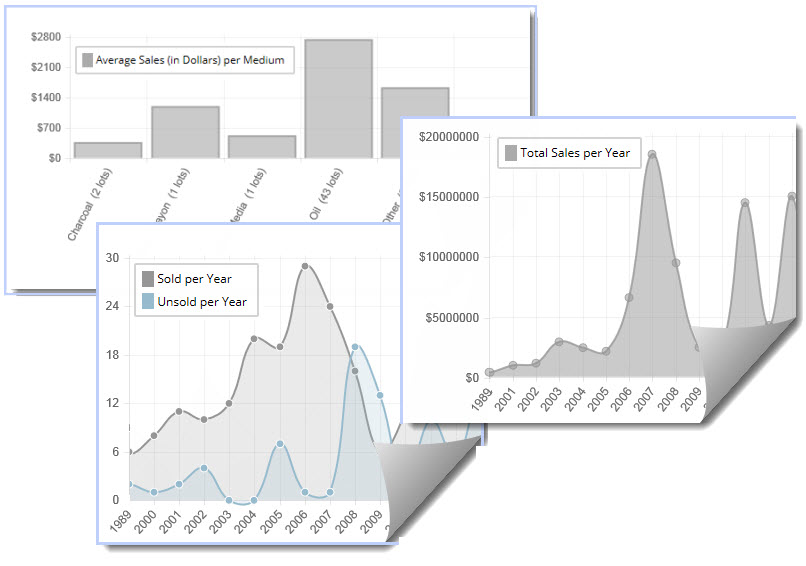
Jozef Czapski PRICE CHARTS
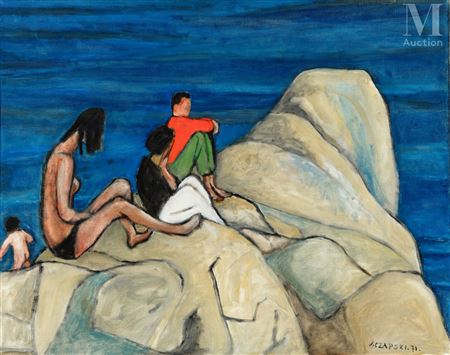
1896 Prague, Czechoslovakia - 1993 France. Known for: Painting; interiors, still lifes, portraits, outdoor scenes.
Józef Czapski (April 3, 1896 – January 12, 1993) was a Polish artist, author, and critic, as well as an officer of the Polish Army. As a painter, he is notable for his membership in the Kapist... Read full biography
Józef Czapski (April 3, 1896 – January 12, 1993) was a Polish artist, author, and critic, as well as an officer of the Polish Army. As a painter, he is notable for his membership in the Kapist movement, which was heavily influenced by Cézanne. Following the Polish Defensive War, he was made a... Read full biography
Józef Czapski (April 3, 1896 – January 12, 1993) was a Polish artist, author, and critic, as well as an officer of the Polish Army. As a painter, he is notable for his membership in the Kapist movement, which was heavily influenced by Cézanne. Following the Polish Defensive War, he was made a prisoner of war by the Soviets and was among the very few officers to survive the Katyn massacre of 1940. Following the Sikorski-Mayski Agreement, he was an official envoy of the Polish government... Read full biography
Józef Czapski (April 3, 1896 – January 12, 1993) was a Polish artist, author, and critic, as well as an officer of the Polish Army. As a painter, he is notable for his membership in the Kapist movement, which was heavily influenced by Cézanne. Following the Polish Defensive War, he was made a prisoner of war by the Soviets and was among the very few officers to survive the Katyn massacre of 1940. Following the Sikorski-Mayski Agreement, he was an official envoy of the Polish government searching for the missing Polish officers in Russia. After World War II, he remained in exile in the Paris suburb of Maisons-Laffitte, where he was among the founders of Kultura monthly, one of the most influential Polish cultural journals of the 20th... Read full biography
Józef Czapski (April 3, 1896 – January 12, 1993) was a Polish artist, author, and critic, as well as an officer of the Polish Army. As a painter, he is notable for his membership in the Kapist movement, which was heavily influenced by Cézanne. Following the Polish Defensive War, he was made a prisoner of war by the Soviets and was among the very few officers to survive the Katyn massacre of 1940. Following the Sikorski-Mayski Agreement, he was an official envoy of the Polish government searching for the missing Polish officers in Russia. After World War II, he remained in exile in the Paris suburb of Maisons-Laffitte, where he was among the founders of Kultura monthly, one of the most influential Polish cultural journals of the 20th century. Józef Marian Franciszek hrabia Hutten-Czapski of Leliwa, as was his full name, was born April 3, 1896 in Pragu... Read full biography
Jozef Czapski - Charts
Chart data loaded successfully