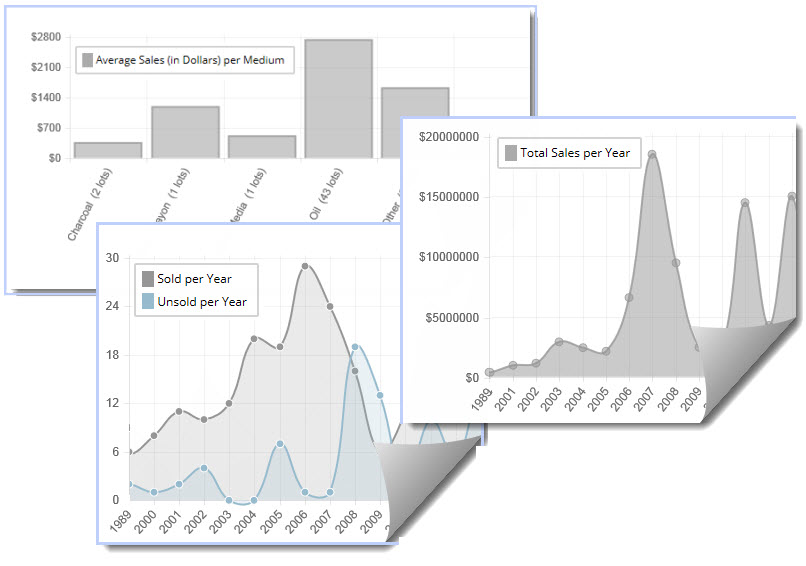
Karl Volkers PRICE CHARTS
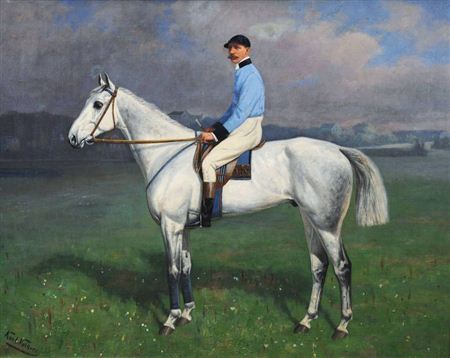
1868 - 1944/49. Known for: Painting.
Karl Volkers was born in 1868, in Düsseldorf. He was a German equine painter of the 19th and 20th century. The profession runs in his family. His farther Emil, and his brother Max worked as painters... Read full biography
Karl Volkers was born in 1868, in Düsseldorf. He was a German equine painter of the 19th and 20th century. The profession runs in his family. His farther Emil, and his brother Max worked as painters as well. The artist primarily painted images of horses. He arranged the animals in profile and... Read full biography
Karl Volkers was born in 1868, in Düsseldorf. He was a German equine painter of the 19th and 20th century. The profession runs in his family. His farther Emil, and his brother Max worked as painters as well. The artist primarily painted images of horses. He arranged the animals in profile and presented them in landscape, or in front of a unique background. Occasionally Volkers added figurative staffage to give the images narrative character. The artist mainly painted individual horses, hence... Read full biography
Karl Volkers was born in 1868, in Düsseldorf. He was a German equine painter of the 19th and 20th century. The profession runs in his family. His farther Emil, and his brother Max worked as painters as well. The artist primarily painted images of horses. He arranged the animals in profile and presented them in landscape, or in front of a unique background. Occasionally Volkers added figurative staffage to give the images narrative character. The artist mainly painted individual horses, hence his depictions of the animal seem to be portraits. Around 1920, he created impressions from the Berlin racecourse in Hoppegarten.
Karl Volkers was born in 1868, in Düsseldorf. He was a German equine painter of the 19th and 20th century. The profession runs in his family. His farther Emil, and his brother Max worked as painters as well. The artist primarily painted images of horses. He arranged the animals in profile and presented them in landscape, or in front of a unique background. Occasionally Volkers added figurative staffage to give the images narrative character. The artist mainly painted individual horses, hence his depictions of the animal seem to be portraits. Around 1920, he created impressions from the Berlin racecourse in Hoppegarten.
Karl Volkers - Charts
Chart data loaded successfully