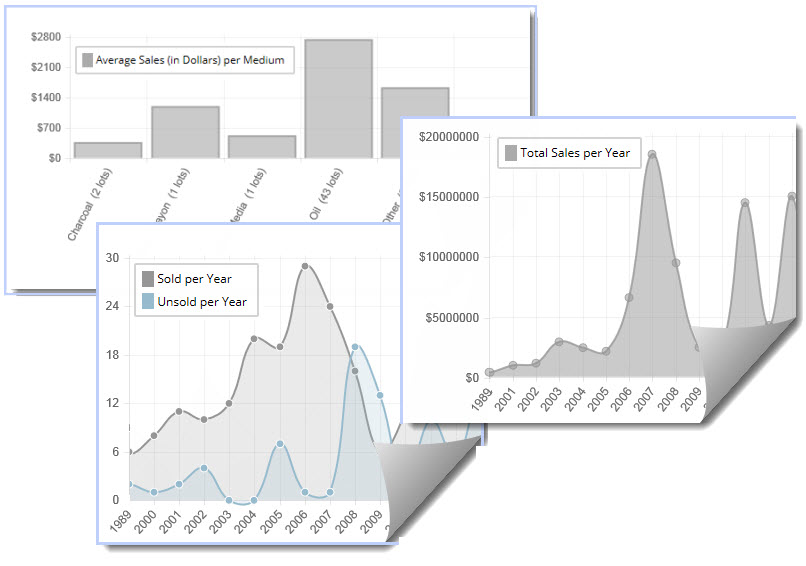
Kazuya Sakai PRICE CHARTS
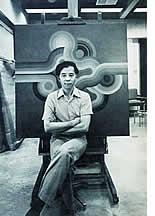
1927 Argentina - 2001 Dallas, Texas. Known for: Sculptor, non objective, mural.
Kazuya Sakai (1927-2001). The work of mid-century artist Kazuya Sakai defies categorization, both on ethnographic and stylistic grounds. Abstraction blossomed in Latin America during the post-war... Read full biography
Kazuya Sakai (1927-2001). The work of mid-century artist Kazuya Sakai defies categorization, both on ethnographic and stylistic grounds. Abstraction blossomed in Latin America during the post-war period, in large part due to the impetus of external cultural force of increased immigration. Sakai is... Read full biography
Kazuya Sakai (1927-2001). The work of mid-century artist Kazuya Sakai defies categorization, both on ethnographic and stylistic grounds. Abstraction blossomed in Latin America during the post-war period, in large part due to the impetus of external cultural force of increased immigration. Sakai is both a part of this movement and distinct from it as an ethnically Japanese artist trained and formed by the artistic language of Buenos Aires. His oeuvre spans five decades and three continents,... Read full biography
Kazuya Sakai (1927-2001). The work of mid-century artist Kazuya Sakai defies categorization, both on ethnographic and stylistic grounds. Abstraction blossomed in Latin America during the post-war period, in large part due to the impetus of external cultural force of increased immigration. Sakai is both a part of this movement and distinct from it as an ethnically Japanese artist trained and formed by the artistic language of Buenos Aires. His oeuvre spans five decades and three continents, reflecting the varying aesthetic of the art world at crucial moments—from gestural expressionism to geometric and systemic abstraction. Though born in Argentina in 1927, Sakai returned to Japan for school at a young age and went on to study philosophy... Read full biography
Kazuya Sakai (1927-2001). The work of mid-century artist Kazuya Sakai defies categorization, both on ethnographic and stylistic grounds. Abstraction blossomed in Latin America during the post-war period, in large part due to the impetus of external cultural force of increased immigration. Sakai is both a part of this movement and distinct from it as an ethnically Japanese artist trained and formed by the artistic language of Buenos Aires. His oeuvre spans five decades and three continents, reflecting the varying aesthetic of the art world at crucial moments—from gestural expressionism to geometric and systemic abstraction. Though born in Argentina in 1927, Sakai returned to Japan for school at a young age and went on to study philosophy and literature at the University of Waseda in Tokyo.(1) This background instilled in Sakai a love of Zen Buddhist ph... Read full biography
Kazuya Sakai - Charts
Chart data loaded successfully