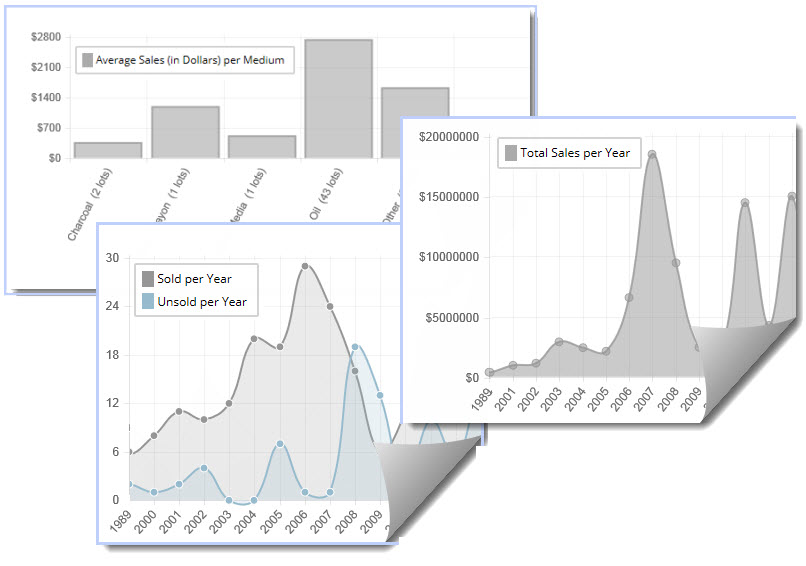
Keisuke Serizawa PRICE CHARTS
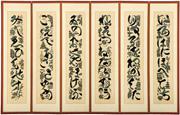
1895 - 1984. Known for: Folk art textile design, stencil dyeing, wall scrolls.
Keisuke Serizawa was a Japanese textile designer. In 1956, he was designated as a Living National Treasure for his katazome stencil dyeing technique by the Japanese government. Serizawa visited... Read full biography
Keisuke Serizawa was a Japanese textile designer. In 1956, he was designated as a Living National Treasure for his katazome stencil dyeing technique by the Japanese government. Serizawa visited Okinawa several times and learned the Ryukyu bingata techniques of dyeing. Serizawa was also a leading... Read full biography
Keisuke Serizawa was a Japanese textile designer. In 1956, he was designated as a Living National Treasure for his katazome stencil dyeing technique by the Japanese government. Serizawa visited Okinawa several times and learned the Ryukyu bingata techniques of dyeing. Serizawa was also a leading member of the mingei (folk art) movement founded by Yanagi Soetsu. His folk art includes kimono, paper prints, wall scrolls, folding screens, curtains, fans and calendars. Serizawa has also produced... Read full biography
Keisuke Serizawa was a Japanese textile designer. In 1956, he was designated as a Living National Treasure for his katazome stencil dyeing technique by the Japanese government. Serizawa visited Okinawa several times and learned the Ryukyu bingata techniques of dyeing. Serizawa was also a leading member of the mingei (folk art) movement founded by Yanagi Soetsu. His folk art includes kimono, paper prints, wall scrolls, folding screens, curtains, fans and calendars. Serizawa has also produced numerous masterpieces in illustrated books including Don Quixote, Vincent van Gogh and A Day at Mashiko. In 1981, the Municipal Serizawa Keisuke Art Museum was opened in the city of Shizuoka. Another museum, the Serizawa Keisuke Art and Craft Museum was... Read full biography
Keisuke Serizawa was a Japanese textile designer. In 1956, he was designated as a Living National Treasure for his katazome stencil dyeing technique by the Japanese government. Serizawa visited Okinawa several times and learned the Ryukyu bingata techniques of dyeing. Serizawa was also a leading member of the mingei (folk art) movement founded by Yanagi Soetsu. His folk art includes kimono, paper prints, wall scrolls, folding screens, curtains, fans and calendars. Serizawa has also produced numerous masterpieces in illustrated books including Don Quixote, Vincent van Gogh and A Day at Mashiko. In 1981, the Municipal Serizawa Keisuke Art Museum was opened in the city of Shizuoka. Another museum, the Serizawa Keisuke Art and Craft Museum was opened in 1989 in Sendai. "The distinguishing trait of Serizawa's katazome method is the use of the... Read full biography
Keisuke Serizawa - Charts
Chart data loaded successfully