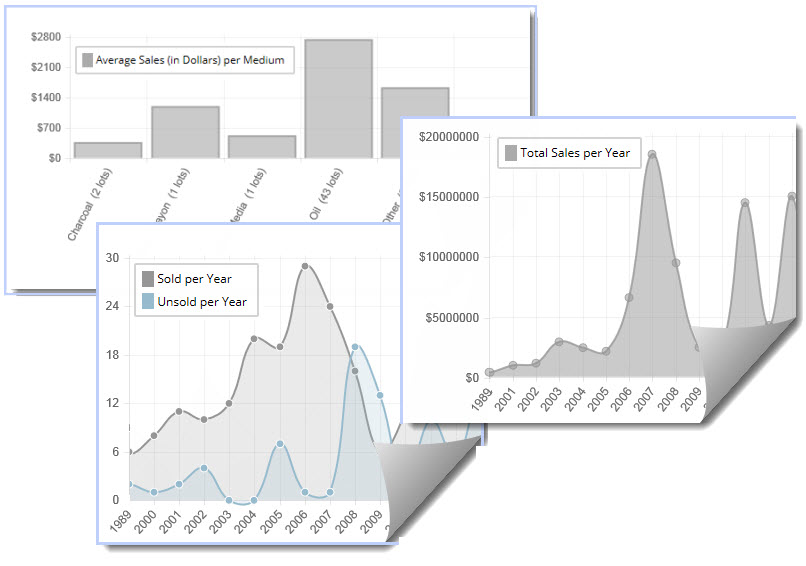
Ken Anger PRICE CHARTS
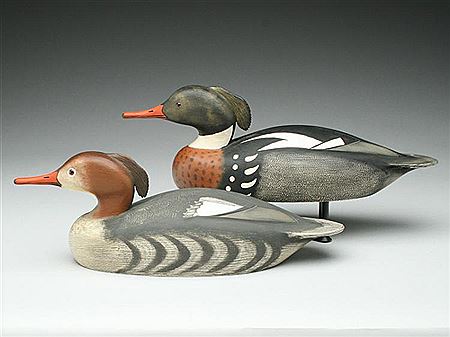
1904 Dunnville, Ontario, Canada - 1983 Dunnville, Ontario, Canada. Known for: Sculpture, decoy carving.
Lots Sold: 98%, High Price: Subscribe.
In the 1930's, Ken Anger started carving, but received little public attention. The demand for Anger's decoys erupted in 1941 after he placed an advertisement in the magazine, Rod and Gun (Fleming... Read full biography
In the 1930's, Ken Anger started carving, but received little public attention. The demand for Anger's decoys erupted in 1941 after he placed an advertisement in the magazine, Rod and Gun (Fleming 142). Anger carved decoys with substantial bodies, relief-carved wings and tails and rasped surfaces.... Read full biography
In the 1930's, Ken Anger started carving, but received little public attention. The demand for Anger's decoys erupted in 1941 after he placed an advertisement in the magazine, Rod and Gun (Fleming 142). Anger carved decoys with substantial bodies, relief-carved wings and tails and rasped surfaces. In this manner, Anger produced black ducks, scaup, Canada geese, canvasbacks, mallards, mergansers, a few pintails, redheads, wigeon and wood ducks. These are the species he produced on a regular... Read full biography
In the 1930's, Ken Anger started carving, but received little public attention. The demand for Anger's decoys erupted in 1941 after he placed an advertisement in the magazine, Rod and Gun (Fleming 142). Anger carved decoys with substantial bodies, relief-carved wings and tails and rasped surfaces. In this manner, Anger produced black ducks, scaup, Canada geese, canvasbacks, mallards, mergansers, a few pintails, redheads, wigeon and wood ducks. These are the species he produced on a regular basis; to fill a hunter's order, Anger could carve anything else. The majority of Anger's decoys are hollow, crafted of two thick laminated red cedar boards. Anger joined the upper and lower pieces with glue and then drove a wood screw in either side to... Read full biography
In the 1930's, Ken Anger started carving, but received little public attention. The demand for Anger's decoys erupted in 1941 after he placed an advertisement in the magazine, Rod and Gun (Fleming 142). Anger carved decoys with substantial bodies, relief-carved wings and tails and rasped surfaces. In this manner, Anger produced black ducks, scaup, Canada geese, canvasbacks, mallards, mergansers, a few pintails, redheads, wigeon and wood ducks. These are the species he produced on a regular basis; to fill a hunter's order, Anger could carve anything else. The majority of Anger's decoys are hollow, crafted of two thick laminated red cedar boards. Anger joined the upper and lower pieces with glue and then drove a wood screw in either side to keep the pieces from shifting while drying. Afterwards, Anger removed the screws, filled in the holes, and inadvertently ga... Read full biography
Ken Anger - Charts
Chart data loaded successfully