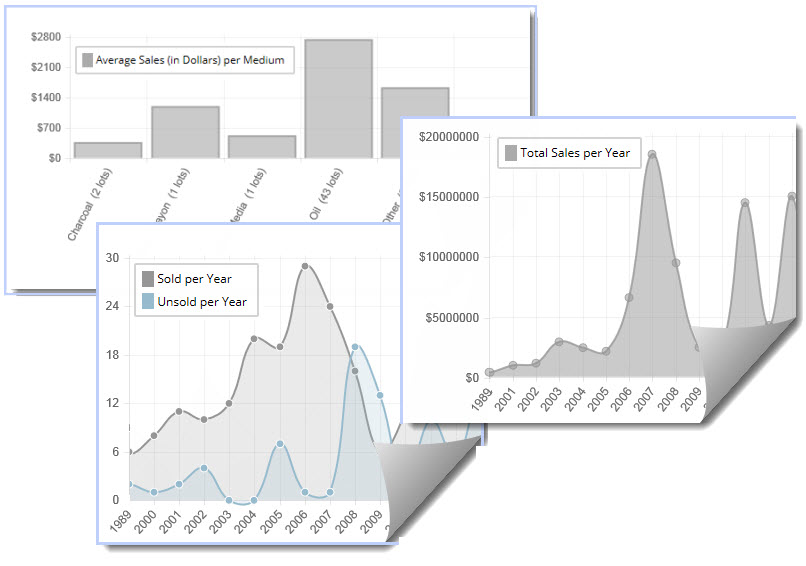
Kishio Suga PRICE CHARTS
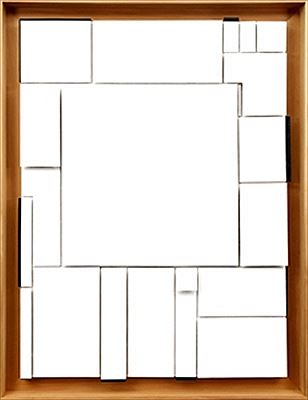
Born 1944 Japan. Known for: Leading edge, non-traditional painting.
The Mono-ha movement including Kishio Suga involves a group of Japanese artists active from 1968 to 1975 who aimed to challenge the traditional concepts of what an artist created, and what is... Read full biography
The Mono-ha movement including Kishio Suga involves a group of Japanese artists active from 1968 to 1975 who aimed to challenge the traditional concepts of what an artist created, and what is considered 'art'. The name translates to "School of Things". The movement was born in a tumultuous... Read full biography
The Mono-ha movement including Kishio Suga involves a group of Japanese artists active from 1968 to 1975 who aimed to challenge the traditional concepts of what an artist created, and what is considered 'art'. The name translates to "School of Things". The movement was born in a tumultuous socio-political post-war climate that spawned many artists' movements in Japan and internationally, such as Arte Povera in Italy and Land Art in United States. Similar to the mainstream avant-garde art... Read full biography
The Mono-ha movement including Kishio Suga involves a group of Japanese artists active from 1968 to 1975 who aimed to challenge the traditional concepts of what an artist created, and what is considered 'art'. The name translates to "School of Things". The movement was born in a tumultuous socio-political post-war climate that spawned many artists' movements in Japan and internationally, such as Arte Povera in Italy and Land Art in United States. Similar to the mainstream avant-garde art movements of the time, they discussed how to transcend Western Modernism. However, contrary to the mainstream anti-art tendencies of avant-garde art, Mono-ha attempted to reconfigure art through the reduction of objects to their primary form. Reeling from... Read full biography
The Mono-ha movement including Kishio Suga involves a group of Japanese artists active from 1968 to 1975 who aimed to challenge the traditional concepts of what an artist created, and what is considered 'art'. The name translates to "School of Things". The movement was born in a tumultuous socio-political post-war climate that spawned many artists' movements in Japan and internationally, such as Arte Povera in Italy and Land Art in United States. Similar to the mainstream avant-garde art movements of the time, they discussed how to transcend Western Modernism. However, contrary to the mainstream anti-art tendencies of avant-garde art, Mono-ha attempted to reconfigure art through the reduction of objects to their primary form. Reeling from the horrors of the atomic bombs dropped on Hiroshima and Nagasaki, these artists naturally rejected man-made forms, feeling that they led inevi... Read full biography
Kishio Suga - Charts
Chart data loaded successfully