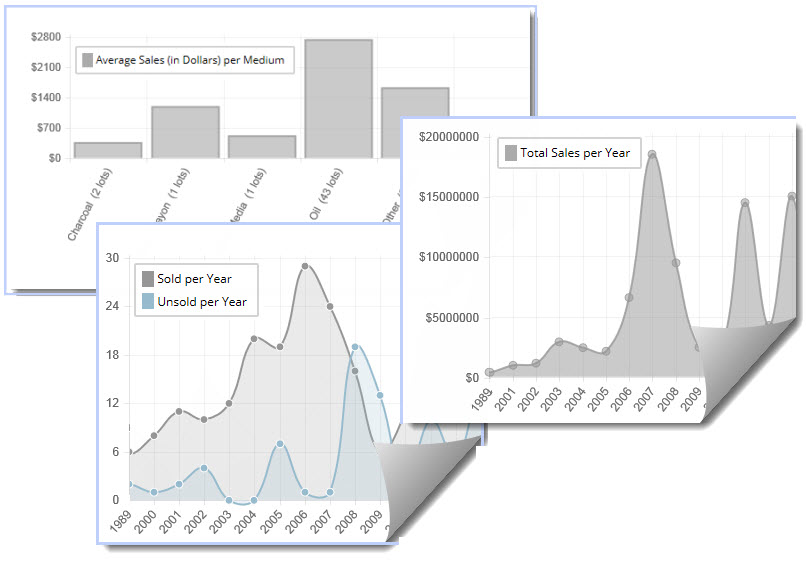
Knut Rose PRICE CHARTS

1936 - 2002. Known for: Existential post-war painting.
In 1973, Knut Rose became a professor at the National Academy of Fine Arts, succeeding one of his own teachers, Reidar Aulie. It was at this point that the contours of Rose’s painterly program became... Read full biography
In 1973, Knut Rose became a professor at the National Academy of Fine Arts, succeeding one of his own teachers, Reidar Aulie. It was at this point that the contours of Rose’s painterly program became clearly visible, as they remain to this day. Over the following years, Rose’s artistic development... Read full biography
In 1973, Knut Rose became a professor at the National Academy of Fine Arts, succeeding one of his own teachers, Reidar Aulie. It was at this point that the contours of Rose’s painterly program became clearly visible, as they remain to this day. Over the following years, Rose’s artistic development placed him among Norway’s most recognized contemporary artists. Through several major exhibitions, Rose demonstrated his artistic vision, some highlights include the Festival Exhibition in Bergen in... Read full biography
In 1973, Knut Rose became a professor at the National Academy of Fine Arts, succeeding one of his own teachers, Reidar Aulie. It was at this point that the contours of Rose’s painterly program became clearly visible, as they remain to this day. Over the following years, Rose’s artistic development placed him among Norway’s most recognized contemporary artists. Through several major exhibitions, Rose demonstrated his artistic vision, some highlights include the Festival Exhibition in Bergen in 1979 and the Venice Biennale in 1980. During the politicized art debates of the 1970s, artists were expected to take a clear stance on contemporary social issues. Rose was skeptical of this, as he believed that art too easily risked becoming a vehicle... Read full biography
In 1973, Knut Rose became a professor at the National Academy of Fine Arts, succeeding one of his own teachers, Reidar Aulie. It was at this point that the contours of Rose’s painterly program became clearly visible, as they remain to this day. Over the following years, Rose’s artistic development placed him among Norway’s most recognized contemporary artists. Through several major exhibitions, Rose demonstrated his artistic vision, some highlights include the Festival Exhibition in Bergen in 1979 and the Venice Biennale in 1980. During the politicized art debates of the 1970s, artists were expected to take a clear stance on contemporary social issues. Rose was skeptical of this, as he believed that art too easily risked becoming a vehicle for political ideas and slogans. One exception, in his view, was Arne Ekeland, whose political engagement was expressed through painte... Read full biography
Knut Rose - Charts
Chart data loaded successfully