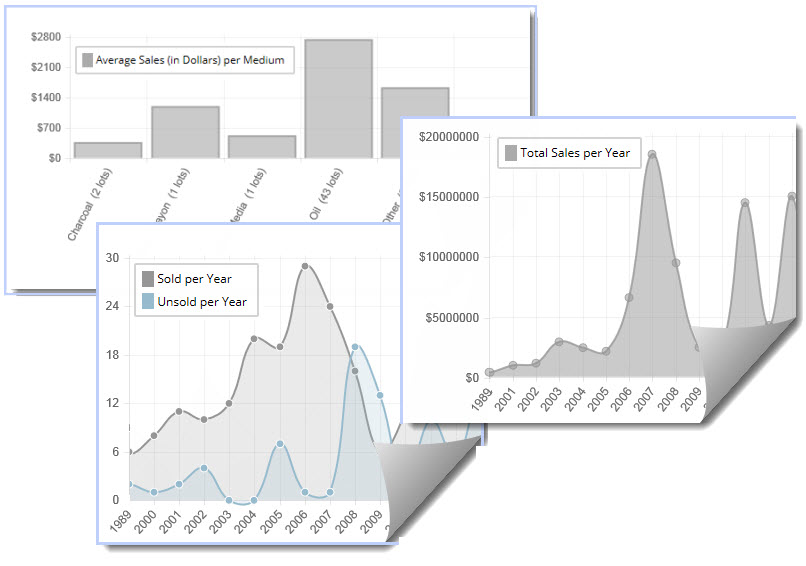
Luc Lafnet PRICE CHARTS
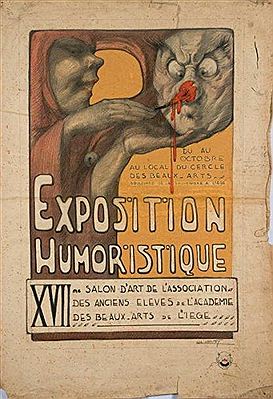
1899 Liege, Belgium - 1939 Rueil-Malmaison. Known for: Erotic female figure painting, nudes.
Luc Lafnet was born in Liège, Belgium, and studied at the Académie des Beaux-Arts there; among his teachers were Émile Berchmans and Adrien de Witte. His technical mastery of the etching* process... Read full biography
Luc Lafnet was born in Liège, Belgium, and studied at the Académie des Beaux-Arts there; among his teachers were Émile Berchmans and Adrien de Witte. His technical mastery of the etching* process made Luc Lafnet the obvious heir of the great Belgian etchers of the previous generation, Félicien... Read full biography
Luc Lafnet was born in Liège, Belgium, and studied at the Académie des Beaux-Arts there; among his teachers were Émile Berchmans and Adrien de Witte. His technical mastery of the etching* process made Luc Lafnet the obvious heir of the great Belgian etchers of the previous generation, Félicien Rops, Armand Rassenfosse, Henri Thomas and Fernand Khnopff, and like them he was naturally drawn to a Symbolist* aesthetic. In 1916, Lafnet exhibited for the first time, and the following year he founded... Read full biography
Luc Lafnet was born in Liège, Belgium, and studied at the Académie des Beaux-Arts there; among his teachers were Émile Berchmans and Adrien de Witte. His technical mastery of the etching* process made Luc Lafnet the obvious heir of the great Belgian etchers of the previous generation, Félicien Rops, Armand Rassenfosse, Henri Thomas and Fernand Khnopff, and like them he was naturally drawn to a Symbolist* aesthetic. In 1916, Lafnet exhibited for the first time, and the following year he founded the group Les Hiboux (the Owls). A finalist for the Prix de Rome* in 1920, Lafnet won the Prix Donnay in 1922. In 1923, Luc Lafnet married Jeanne van Malderen and moved to Paris. There, Lafnet became closely associated with artists such as Jean... Read full biography
Luc Lafnet was born in Liège, Belgium, and studied at the Académie des Beaux-Arts there; among his teachers were Émile Berchmans and Adrien de Witte. His technical mastery of the etching* process made Luc Lafnet the obvious heir of the great Belgian etchers of the previous generation, Félicien Rops, Armand Rassenfosse, Henri Thomas and Fernand Khnopff, and like them he was naturally drawn to a Symbolist* aesthetic. In 1916, Lafnet exhibited for the first time, and the following year he founded the group Les Hiboux (the Owls). A finalist for the Prix de Rome* in 1920, Lafnet won the Prix Donnay in 1922. In 1923, Luc Lafnet married Jeanne van Malderen and moved to Paris. There, Lafnet became closely associated with artists such as Jean Hélion, with whom he exhibited. Like Rops, Luc Lafnet was drawn to erotic and forbidden subject matter, and as a consequence much of his wor... Read full biography
Luc Lafnet - Charts
Chart data loaded successfully