Mahidienne Baya PRICE CHARTS

1931 Bordj el-Kiffan, Algeria - 1998 Blida, Algeria. Known for: Vibrant images of women, birds, and lush plant life.
Baya, born Fatma Haddad in 1931 in Bordj el-Kiffan, Algeria, developed an immediately recognizable artistic universe from the 1940s onward. Her compositions feature adorned women, birds, luxuriant... Read full biography
Baya, born Fatma Haddad in 1931 in Bordj el-Kiffan, Algeria, developed an immediately recognizable artistic universe from the 1940s onward. Her compositions feature adorned women, birds, luxuriant vegetation, and musical instruments, structured by black line and flat areas of pure color in frontal... Read full biography
Baya, born Fatma Haddad in 1931 in Bordj el-Kiffan, Algeria, developed an immediately recognizable artistic universe from the 1940s onward. Her compositions feature adorned women, birds, luxuriant vegetation, and musical instruments, structured by black line and flat areas of pure color in frontal arrangements of striking coherence. Baya’s story is imbued with the hopeful undulations of life — joy in spite of loss and resolution in the face of instability. Introduced to the art world by her... Read full biography
Baya, born Fatma Haddad in 1931 in Bordj el-Kiffan, Algeria, developed an immediately recognizable artistic universe from the 1940s onward. Her compositions feature adorned women, birds, luxuriant vegetation, and musical instruments, structured by black line and flat areas of pure color in frontal arrangements of striking coherence. Baya’s story is imbued with the hopeful undulations of life — joy in spite of loss and resolution in the face of instability. Introduced to the art world by her adoptive mother, she was a self-taught artist who remained true to her own aesthetic sensibilities. Of Algerian descent, her attachment to the light of Blida accompanied her throughout her life. Despite a tenuous political environment shaped by... Read full biography
Baya, born Fatma Haddad in 1931 in Bordj el-Kiffan, Algeria, developed an immediately recognizable artistic universe from the 1940s onward. Her compositions feature adorned women, birds, luxuriant vegetation, and musical instruments, structured by black line and flat areas of pure color in frontal arrangements of striking coherence. Baya’s story is imbued with the hopeful undulations of life — joy in spite of loss and resolution in the face of instability. Introduced to the art world by her adoptive mother, she was a self-taught artist who remained true to her own aesthetic sensibilities. Of Algerian descent, her attachment to the light of Blida accompanied her throughout her life. Despite a tenuous political environment shaped by post-colonial conditions, she refused exile and spent her lifetime in her hometown. Baya rejected mainstream Western art signifiers and decli... Read full biography
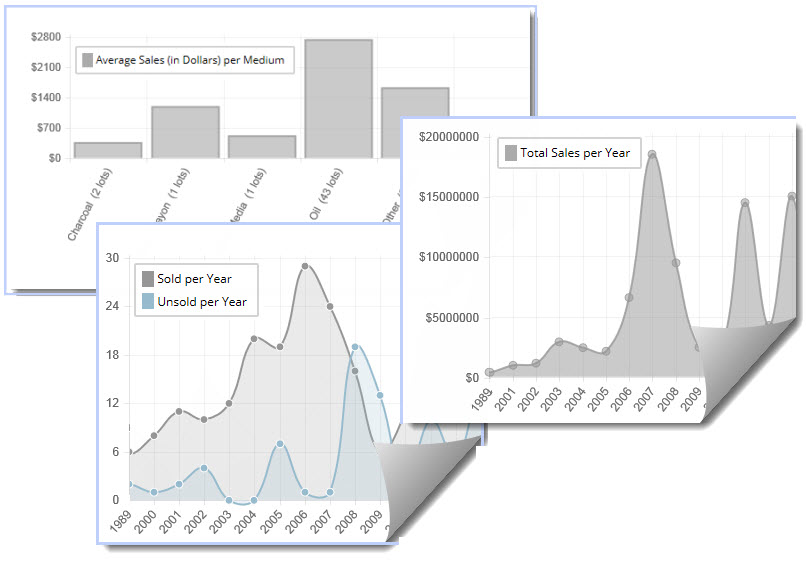
Mahidienne Baya - Charts
Chart data loaded successfully