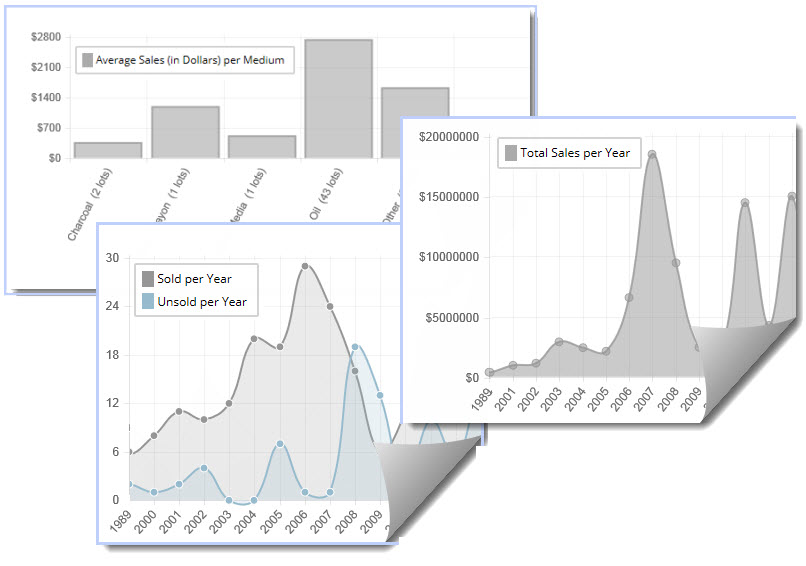
Mani Luki PRICE CHARTS
c.1905 - 1980. Known for: Aboriginal sculpture.
Lots Sold: 89%, High Price: Subscribe.
Mani Luki Lawurriningamirri, also known as Harry Carpenter (c.1914-1980), was renowned for his distinctive sculptures which typically depict figures wearing clothing and with articulated arms and... Read full biography
Mani Luki Lawurriningamirri, also known as Harry Carpenter (c.1914-1980), was renowned for his distinctive sculptures which typically depict figures wearing clothing and with articulated arms and hands. Isaacs suggests a Makassan influence in the stylization of Mani Luki’s sculptures (Isaacs, J.,... Read full biography
Mani Luki Lawurriningamirri, also known as Harry Carpenter (c.1914-1980), was renowned for his distinctive sculptures which typically depict figures wearing clothing and with articulated arms and hands. Isaacs suggests a Makassan influence in the stylization of Mani Luki’s sculptures (Isaacs, J., Tiwi: Art, History, Culture, Melbourne: The Miegunyah Press, 2012, p.138): figures such as those illustrated in Isaacs 2012:68 are described as Makassan type. Mani Luki also made figures wearing... Read full biography
Mani Luki Lawurriningamirri, also known as Harry Carpenter (c.1914-1980), was renowned for his distinctive sculptures which typically depict figures wearing clothing and with articulated arms and hands. Isaacs suggests a Makassan influence in the stylization of Mani Luki’s sculptures (Isaacs, J., Tiwi: Art, History, Culture, Melbourne: The Miegunyah Press, 2012, p.138): figures such as those illustrated in Isaacs 2012:68 are described as Makassan type. Mani Luki also made figures wearing variations on British naval uniforms dating from the early 19th century. He undertook several sculptural commissions in the course of his career and he features prominently in the Holmes Tiwi Collection at the Museum and Art Gallery of the Northern... Read full biography
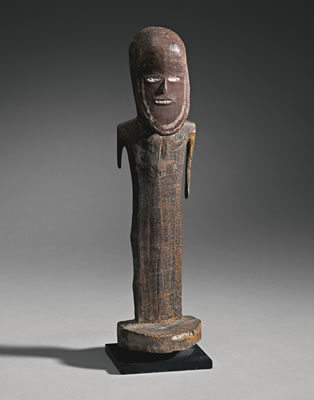
Mani Luki Lawurriningamirri, also known as Harry Carpenter (c.1914-1980), was renowned for his distinctive sculptures which typically depict figures wearing clothing and with articulated arms and hands. Isaacs suggests a Makassan influence in the stylization of Mani Luki’s sculptures (Isaacs, J., Tiwi: Art, History, Culture, Melbourne: The Miegunyah Press, 2012, p.138): figures such as those illustrated in Isaacs 2012:68 are described as Makassan type. Mani Luki also made figures wearing variations on British naval uniforms dating from the early 19th century. He undertook several sculptural commissions in the course of his career and he features prominently in the Holmes Tiwi Collection at the Museum and Art Gallery of the Northern Territory having carved the main figures in the ancestral Tiwi drama of Purukuparli, Bima or Wai-ai, Tapara and Jinani.
Mani Luki - Charts
Chart data loaded successfully