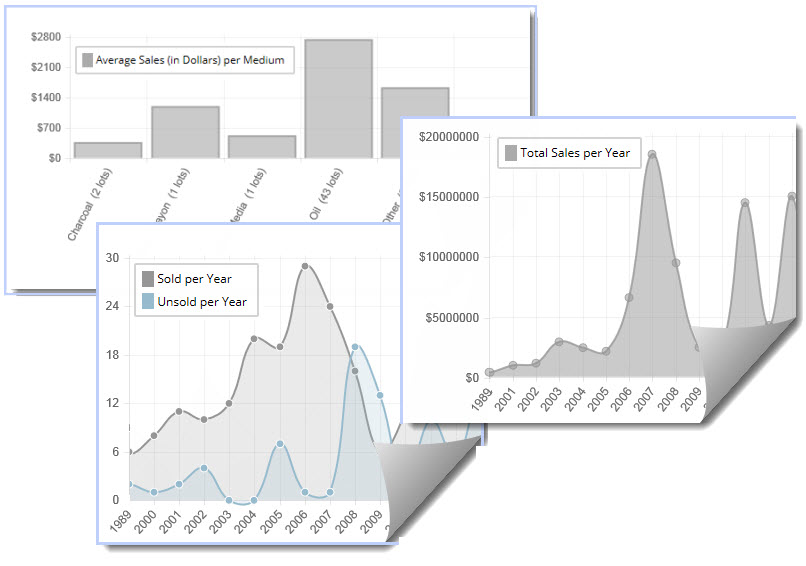
Manolo Manuel Hugue PRICE CHARTS
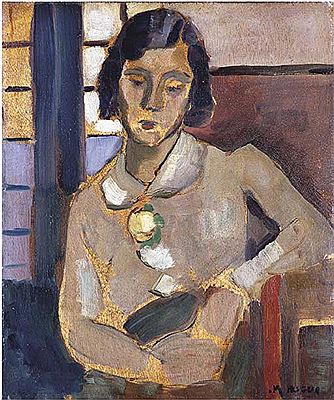
1872 Barcelona, Spain - 1945 Caldes de Montbui. Known for: Sculpture; painting.
Manolo Manuel Hugué was a Spanish sculptor born in the late 19th century. He trained at the Escuela de la Lonja in Barcelona and became friends with artists such as Picasso, Rusiñol, Mir, and Nonell.... Read full biography
Manolo Manuel Hugué was a Spanish sculptor born in the late 19th century. He trained at the Escuela de la Lonja in Barcelona and became friends with artists such as Picasso, Rusiñol, Mir, and Nonell. He moved to Paris in 1900 and worked on the design of jewelry and small sculptures, influenced by... Read full biography
Manolo Manuel Hugué was a Spanish sculptor born in the late 19th century. He trained at the Escuela de la Lonja in Barcelona and became friends with artists such as Picasso, Rusiñol, Mir, and Nonell. He moved to Paris in 1900 and worked on the design of jewelry and small sculptures, influenced by his friend Paco Durrio. He worked in Ceret between 1910 and 1917, where he held exhibitions in Barcelona, Paris, and New York. In 1932, he was appointed a member of the Royal Academy of Fine Arts of... Read full biography
Manolo Manuel Hugué was a Spanish sculptor born in the late 19th century. He trained at the Escuela de la Lonja in Barcelona and became friends with artists such as Picasso, Rusiñol, Mir, and Nonell. He moved to Paris in 1900 and worked on the design of jewelry and small sculptures, influenced by his friend Paco Durrio. He worked in Ceret between 1910 and 1917, where he held exhibitions in Barcelona, Paris, and New York. In 1932, he was appointed a member of the Royal Academy of Fine Arts of San Jorge in Barcelona. Hugué's work focused on the relationship between nature and the human figure, often depicting peasants, bullfighters, and dancers. He assimilated and knew first-hand the European avant-garde, specifically Matisse's Fauvism and... Read full biography
Manolo Manuel Hugué was a Spanish sculptor born in the late 19th century. He trained at the Escuela de la Lonja in Barcelona and became friends with artists such as Picasso, Rusiñol, Mir, and Nonell. He moved to Paris in 1900 and worked on the design of jewelry and small sculptures, influenced by his friend Paco Durrio. He worked in Ceret between 1910 and 1917, where he held exhibitions in Barcelona, Paris, and New York. In 1932, he was appointed a member of the Royal Academy of Fine Arts of San Jorge in Barcelona. Hugué's work focused on the relationship between nature and the human figure, often depicting peasants, bullfighters, and dancers. He assimilated and knew first-hand the European avant-garde, specifically Matisse's Fauvism and Cubism. Works by Hugué are kept in various museums around the world.
Manolo Manuel Hugue - Charts
Chart data loaded successfully