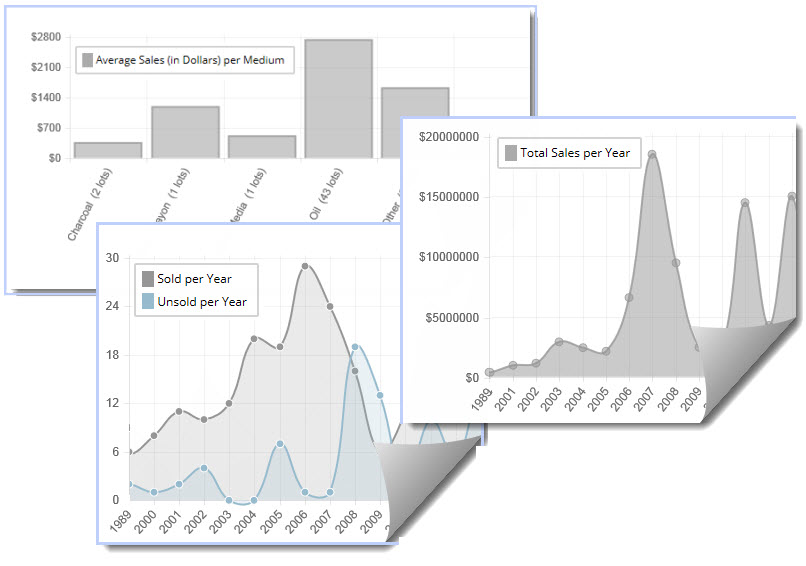
Nguyen Tu Nghiem PRICE CHARTS
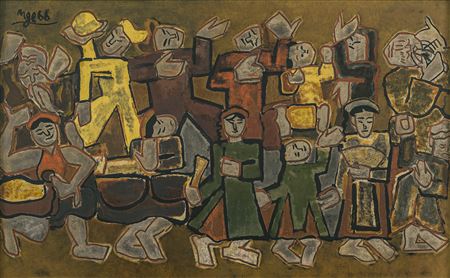
1922 Nam Dan, Nghe An province - 2016. Known for: Traditional Vietnamese cultural themes with a modernist European aesthetic.
Nguyen Tu Nghiem is recognized as one of the four masters of Vietnamese modern painting (the other three are Bui Xuan Phai, Nguyen Sang, and Duong Bich Lien). Although he fought in the Resistance... Read full biography
Nguyen Tu Nghiem is recognized as one of the four masters of Vietnamese modern painting (the other three are Bui Xuan Phai, Nguyen Sang, and Duong Bich Lien). Although he fought in the Resistance war, beginning in the 1950's, the focus of Nguyen Tu Nghiem's work gradually shifted from socialist... Read full biography
Nguyen Tu Nghiem is recognized as one of the four masters of Vietnamese modern painting (the other three are Bui Xuan Phai, Nguyen Sang, and Duong Bich Lien). Although he fought in the Resistance war, beginning in the 1950's, the focus of Nguyen Tu Nghiem's work gradually shifted from socialist state views. He was the first Vietnamese modern painter to experiment with village folk motifs through the lens of modernism, reappropriating artistic forms such as Ðông H, Hàng Trng, and Kim Hoàng... Read full biography
Nguyen Tu Nghiem is recognized as one of the four masters of Vietnamese modern painting (the other three are Bui Xuan Phai, Nguyen Sang, and Duong Bich Lien). Although he fought in the Resistance war, beginning in the 1950's, the focus of Nguyen Tu Nghiem's work gradually shifted from socialist state views. He was the first Vietnamese modern painter to experiment with village folk motifs through the lens of modernism, reappropriating artistic forms such as Ðông H, Hàng Trng, and Kim Hoàng painting. These traditional folk motifs were sensitive themes in Vietnam between 1945 and 1986 when villagers were discouraged from worshipping local spirits, deities, and heroes on the grounds that they were not deemed coherent with nation-building. In... Read full biography
Nguyen Tu Nghiem is recognized as one of the four masters of Vietnamese modern painting (the other three are Bui Xuan Phai, Nguyen Sang, and Duong Bich Lien). Although he fought in the Resistance war, beginning in the 1950's, the focus of Nguyen Tu Nghiem's work gradually shifted from socialist state views. He was the first Vietnamese modern painter to experiment with village folk motifs through the lens of modernism, reappropriating artistic forms such as Ðông H, Hàng Trng, and Kim Hoàng painting. These traditional folk motifs were sensitive themes in Vietnam between 1945 and 1986 when villagers were discouraged from worshipping local spirits, deities, and heroes on the grounds that they were not deemed coherent with nation-building. In the late 1980's and 1990's, these local motifs became popular as artists started to appreciate their visual and s... Read full biography
Nguyen Tu Nghiem - Charts
Chart data loaded successfully