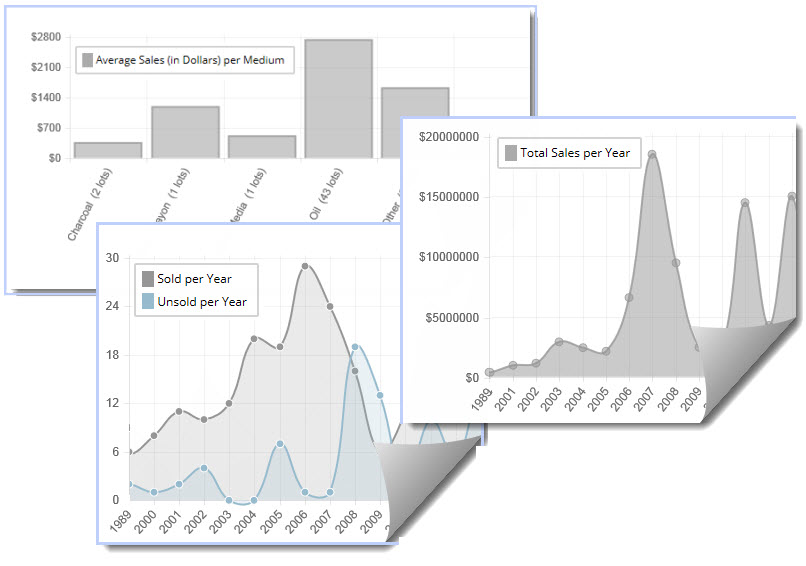
Nikolai Karakhan PRICE CHARTS
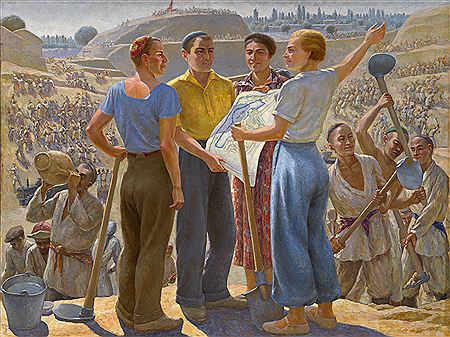
1900 Nagarno-Karabah - 1970. Known for: Painting.
Nikolai Karakhan was born in 1900. The path taken by Nikolai Karakhan, Aleksandr Volkov’s talented pupil, was a typical one for the Uzbek avant garde – from conventionally decorative canvasses in the... Read full biography
Nikolai Karakhan was born in 1900. The path taken by Nikolai Karakhan, Aleksandr Volkov’s talented pupil, was a typical one for the Uzbek avant garde – from conventionally decorative canvasses in the 1920's, to singing the praises of heroic labour in the 1930's and, in the end, post-war landscapes.... Read full biography
Nikolai Karakhan was born in 1900. The path taken by Nikolai Karakhan, Aleksandr Volkov’s talented pupil, was a typical one for the Uzbek avant garde – from conventionally decorative canvasses in the 1920's, to singing the praises of heroic labour in the 1930's and, in the end, post-war landscapes. When Uzbekistan began the “struggle to create thematic painting” embodying modern life, Karakhan, as a member of Volkov’s Izobrigada group, actively involved himself in the task of developing this... Read full biography
Nikolai Karakhan was born in 1900. The path taken by Nikolai Karakhan, Aleksandr Volkov’s talented pupil, was a typical one for the Uzbek avant garde – from conventionally decorative canvasses in the 1920's, to singing the praises of heroic labour in the 1930's and, in the end, post-war landscapes. When Uzbekistan began the “struggle to create thematic painting” embodying modern life, Karakhan, as a member of Volkov’s Izobrigada group, actively involved himself in the task of developing this theme. He would enthusiastically sketch designs for frescoes and monumental panels to reflect the scope of Soviet construction: Building, Foundry (both 1933), Walking to Work (1934), Lunch Break (1935) etc. Among the artist’s most important monumental... Read full biography
Nikolai Karakhan was born in 1900. The path taken by Nikolai Karakhan, Aleksandr Volkov’s talented pupil, was a typical one for the Uzbek avant garde – from conventionally decorative canvasses in the 1920's, to singing the praises of heroic labour in the 1930's and, in the end, post-war landscapes. When Uzbekistan began the “struggle to create thematic painting” embodying modern life, Karakhan, as a member of Volkov’s Izobrigada group, actively involved himself in the task of developing this theme. He would enthusiastically sketch designs for frescoes and monumental panels to reflect the scope of Soviet construction: Building, Foundry (both 1933), Walking to Work (1934), Lunch Break (1935) etc. Among the artist’s most important monumental works is the two-metre canvas entitled Constructing Lake Komsomol, painted in... Read full biography
Nikolai Karakhan - Charts
Chart data loaded successfully