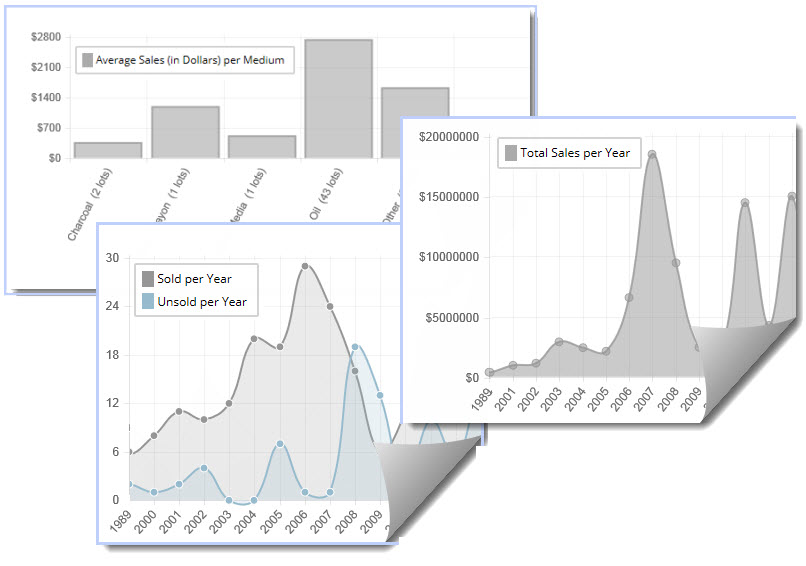
Odd Tandberg PRICE CHARTS
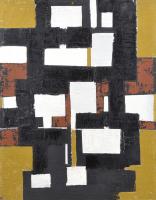
Born 1924. Known for: Sculpture.
Odd Tandberg was born in 1924 in Norway. Tandberg has seen great traces in public spaces in Norway and Sweden. As one of the post-war artists, he was embracing subway stations, churches, hospitals,... Read full biography
Odd Tandberg was born in 1924 in Norway. Tandberg has seen great traces in public spaces in Norway and Sweden. As one of the post-war artists, he was embracing subway stations, churches, hospitals, office buildings and, not least, the Government Building. He expanded with sound sculpture, light,... Read full biography
Odd Tandberg was born in 1924 in Norway. Tandberg has seen great traces in public spaces in Norway and Sweden. As one of the post-war artists, he was embracing subway stations, churches, hospitals, office buildings and, not least, the Government Building. He expanded with sound sculpture, light, kinetics, plastic, concrete, wood, painting and graphics. During and after the war he was part of the so-called "death row". This consisted of Tandberg, Tor Hoff, Gunnar S. Gundersen, Ludvig Eikaas and... Read full biography
Odd Tandberg was born in 1924 in Norway. Tandberg has seen great traces in public spaces in Norway and Sweden. As one of the post-war artists, he was embracing subway stations, churches, hospitals, office buildings and, not least, the Government Building. He expanded with sound sculpture, light, kinetics, plastic, concrete, wood, painting and graphics. During and after the war he was part of the so-called "death row". This consisted of Tandberg, Tor Hoff, Gunnar S. Gundersen, Ludvig Eikaas and Egil Øyen. In addition to a way of life that occasionally showed a traitor of death, they would take advantage of the domination of older arts. Inspired by Klee, Miro, Mondrian and Vasarely, he became a non-figurative artist who concentrated on... Read full biography
Odd Tandberg was born in 1924 in Norway. Tandberg has seen great traces in public spaces in Norway and Sweden. As one of the post-war artists, he was embracing subway stations, churches, hospitals, office buildings and, not least, the Government Building. He expanded with sound sculpture, light, kinetics, plastic, concrete, wood, painting and graphics. During and after the war he was part of the so-called "death row". This consisted of Tandberg, Tor Hoff, Gunnar S. Gundersen, Ludvig Eikaas and Egil Øyen. In addition to a way of life that occasionally showed a traitor of death, they would take advantage of the domination of older arts. Inspired by Klee, Miro, Mondrian and Vasarely, he became a non-figurative artist who concentrated on shape, flat, color and texture.
Odd Tandberg - Charts
Chart data loaded successfully