Ole Schwalbe PRICE CHARTS
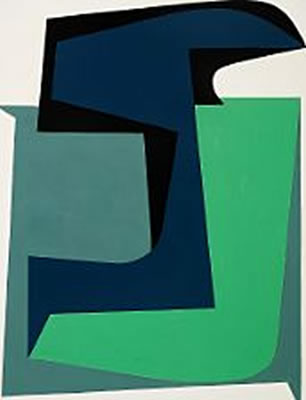
1929 - 1990. Known for: Painting and sculpture.
Ole Schwalbe was a Danish painter who initiated the second generation of Danish constructivism, which they called concrete realism. He was self-taught and trained as a printer from 1945 to 1950.... Read full biography
Ole Schwalbe was a Danish painter who initiated the second generation of Danish constructivism, which they called concrete realism. He was self-taught and trained as a printer from 1945 to 1950. Schwalbe limited himself to black and white and formed positive and negative segments of circles as the... Read full biography
Ole Schwalbe was a Danish painter who initiated the second generation of Danish constructivism, which they called concrete realism. He was self-taught and trained as a printer from 1945 to 1950. Schwalbe limited himself to black and white and formed positive and negative segments of circles as the marks with a paper clip. He later added red to represent the three most important aspects of life. Schwalbe believed in total interaction between art and architecture and decorated several buildings... Read full biography
Ole Schwalbe was a Danish painter who initiated the second generation of Danish constructivism, which they called concrete realism. He was self-taught and trained as a printer from 1945 to 1950. Schwalbe limited himself to black and white and formed positive and negative segments of circles as the marks with a paper clip. He later added red to represent the three most important aspects of life. Schwalbe believed in total interaction between art and architecture and decorated several buildings with artistic features that were integrated during the building's construction. He received several awards, including the Academy's gold medal in 1966 and Thorvaldsen's medal in 1978. Schwalbe's artwork is represented at many of the largest Danish... Read full biography
Ole Schwalbe was a Danish painter who initiated the second generation of Danish constructivism, which they called concrete realism. He was self-taught and trained as a printer from 1945 to 1950. Schwalbe limited himself to black and white and formed positive and negative segments of circles as the marks with a paper clip. He later added red to represent the three most important aspects of life. Schwalbe believed in total interaction between art and architecture and decorated several buildings with artistic features that were integrated during the building's construction. He received several awards, including the Academy's gold medal in 1966 and Thorvaldsen's medal in 1978. Schwalbe's artwork is represented at many of the largest Danish museums
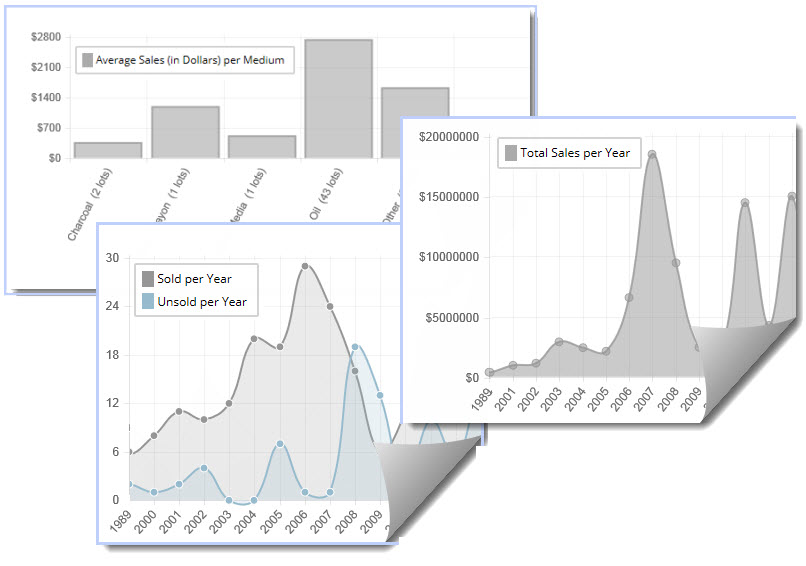
Ole Schwalbe - Charts
Chart data loaded successfully