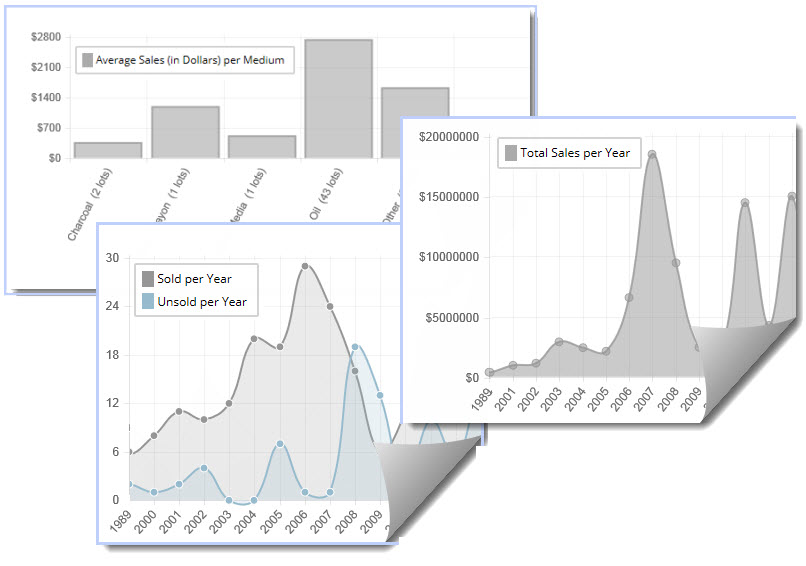
Philip Veit PRICE CHARTS
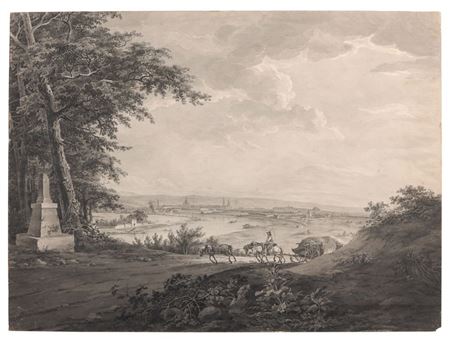
1793 Berlin - 1877 Frankfurt. Known for: Nineteenth-century fresco painting.
Philipp Veit was a German painter born in Berlin in 1793 and became one of the central figures of early nineteenth-century fresco painting. Veit worked within the circle of the Nazarene artists,... Read full biography
Philipp Veit was a German painter born in Berlin in 1793 and became one of the central figures of early nineteenth-century fresco painting. Veit worked within the circle of the Nazarene artists, whose interest in spirituality, medievalism, and narrative fresco cycles shaped his approach to... Read full biography
Philipp Veit was a German painter born in Berlin in 1793 and became one of the central figures of early nineteenth-century fresco painting. Veit worked within the circle of the Nazarene artists, whose interest in spirituality, medievalism, and narrative fresco cycles shaped his approach to composition and colour. His career took a decisive turn when he settled in Rome, where he received several important commissions that allowed him to develop large-scale narrative programs. In 1818, Veit was... Read full biography
Philipp Veit was a German painter born in Berlin in 1793 and became one of the central figures of early nineteenth-century fresco painting. Veit worked within the circle of the Nazarene artists, whose interest in spirituality, medievalism, and narrative fresco cycles shaped his approach to composition and colour. His career took a decisive turn when he settled in Rome, where he received several important commissions that allowed him to develop large-scale narrative programs. In 1818, Veit was commissioned by Marchese Carlo Massimo to design a cycle of frescoes for the Dante Hall of the Casino Massimo in Rome. For the four vaulted ceilings, Veit conceived a program illustrating the eight heavenly spheres described in Dante’s Divina... Read full biography
Philipp Veit was a German painter born in Berlin in 1793 and became one of the central figures of early nineteenth-century fresco painting. Veit worked within the circle of the Nazarene artists, whose interest in spirituality, medievalism, and narrative fresco cycles shaped his approach to composition and colour. His career took a decisive turn when he settled in Rome, where he received several important commissions that allowed him to develop large-scale narrative programs. In 1818, Veit was commissioned by Marchese Carlo Massimo to design a cycle of frescoes for the Dante Hall of the Casino Massimo in Rome. For the four vaulted ceilings, Veit conceived a program illustrating the eight heavenly spheres described in Dante’s Divina Commedia. The fresco depicting the lunar and Mercury heavens was completed in 1820–21, with the lunar sphere showing Dante, Beat... Read full biography
Philip Veit - Charts
Chart data loaded successfully