Phillip Jewel Hampton PRICE CHARTS
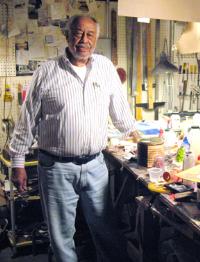
1922 Kansas City, Missouri - 2016. Known for: Figure, genre and landscape easel and mural painting, teaching.
PHILLIP JEWEL HAMPTON (1922-2016). The premise that black artists should represent black life was fairly prevalent in the United States before the middle of the twentieth century. This was the path... Read full biography
PHILLIP JEWEL HAMPTON (1922-2016). The premise that black artists should represent black life was fairly prevalent in the United States before the middle of the twentieth century. This was the path that Phillip Jewel Hampton pursued in his early paintings of ramshackle cityscapes, leading to his... Read full biography
PHILLIP JEWEL HAMPTON (1922-2016). The premise that black artists should represent black life was fairly prevalent in the United States before the middle of the twentieth century. This was the path that Phillip Jewel Hampton pursued in his early paintings of ramshackle cityscapes, leading to his association with social realist trends of the 1930s. But after two decades he was a full-fledged abstractionist—a stylistic move made by many artists during the 1940s and 1950s–who experimented with... Read full biography
PHILLIP JEWEL HAMPTON (1922-2016). The premise that black artists should represent black life was fairly prevalent in the United States before the middle of the twentieth century. This was the path that Phillip Jewel Hampton pursued in his early paintings of ramshackle cityscapes, leading to his association with social realist trends of the 1930s. But after two decades he was a full-fledged abstractionist—a stylistic move made by many artists during the 1940s and 1950s–who experimented with synthetic media. A native of Kansas City, Missouri, Hampton displayed an early interest in art and, to the dismay of family members, used window blinds for his formative art making. His childhood was disrupted by yearly moves between 1929 and 1941. He... Read full biography
PHILLIP JEWEL HAMPTON (1922-2016). The premise that black artists should represent black life was fairly prevalent in the United States before the middle of the twentieth century. This was the path that Phillip Jewel Hampton pursued in his early paintings of ramshackle cityscapes, leading to his association with social realist trends of the 1930s. But after two decades he was a full-fledged abstractionist—a stylistic move made by many artists during the 1940s and 1950s–who experimented with synthetic media. A native of Kansas City, Missouri, Hampton displayed an early interest in art and, to the dismay of family members, used window blinds for his formative art making. His childhood was disrupted by yearly moves between 1929 and 1941. He entered Citrus Junior College in Glendora, California, and majored in art, until he was inducted into the United States Army in 19... Read full biography
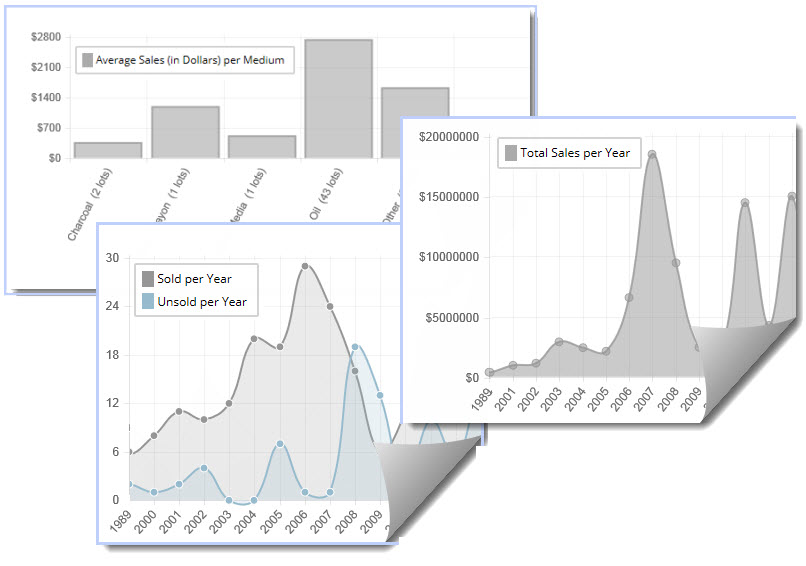
Phillip Jewel Hampton - Charts
Chart data loaded successfully