Pierre Edouard Frere PRICE CHARTS
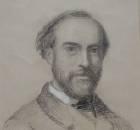
1819 Paris, France - 1886 Ecouen, France. Known for: Peasant genre painting, child figure.
The finest characteristic of modern art is its sympathy. - Pierre-Édouard Frère, quoted in Harper's New Monthly Magazine, November, 1871. Pierre-Édouard Frère was a Realist painter who became the... Read full biography
The finest characteristic of modern art is its sympathy. - Pierre-Édouard Frère, quoted in Harper's New Monthly Magazine, November, 1871. Pierre-Édouard Frère was a Realist painter who became the leader of the "sympathetic art" movement in France, a vein of Realism which sensitively portrayed the... Read full biography
The finest characteristic of modern art is its sympathy. - Pierre-Édouard Frère, quoted in Harper's New Monthly Magazine, November, 1871. Pierre-Édouard Frère was a Realist painter who became the leader of the "sympathetic art" movement in France, a vein of Realism which sensitively portrayed the lower classes with dignity and charm, glorifying the simplicity of their lives and their work. While many Realists focused on the gritty spectacles of the streets of Paris, Frère became especially... Read full biography
The finest characteristic of modern art is its sympathy. - Pierre-Édouard Frère, quoted in Harper's New Monthly Magazine, November, 1871. Pierre-Édouard Frère was a Realist painter who became the leader of the "sympathetic art" movement in France, a vein of Realism which sensitively portrayed the lower classes with dignity and charm, glorifying the simplicity of their lives and their work. While many Realists focused on the gritty spectacles of the streets of Paris, Frère became especially known for his sympathetic portraits of women, and especially young children, completing daily household chores and other domestic activities. This form of art had its origins in the eighteenth century French painting by such artists as Jean-Siméon... Read full biography
The finest characteristic of modern art is its sympathy. - Pierre-Édouard Frère, quoted in Harper's New Monthly Magazine, November, 1871. Pierre-Édouard Frère was a Realist painter who became the leader of the "sympathetic art" movement in France, a vein of Realism which sensitively portrayed the lower classes with dignity and charm, glorifying the simplicity of their lives and their work. While many Realists focused on the gritty spectacles of the streets of Paris, Frère became especially known for his sympathetic portraits of women, and especially young children, completing daily household chores and other domestic activities. This form of art had its origins in the eighteenth century French painting by such artists as Jean-Siméon Chardin and the Le Nain brothers who, in turn, were inspired by the seventeenth century Dutch artists. This interest in the low... Read full biography
Pierre Edouard Frere - Charts
Chart data loaded successfully