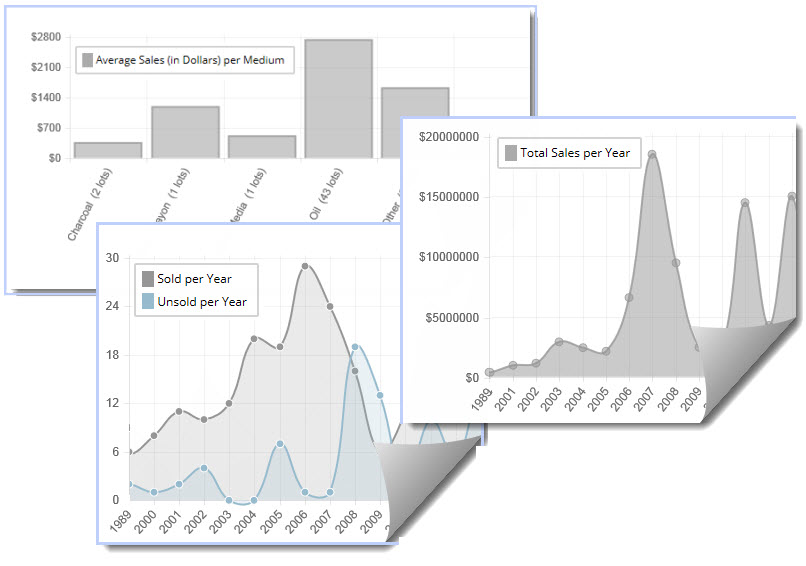
Pietro Longhi PRICE CHARTS
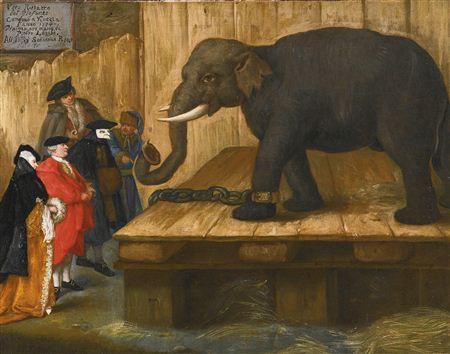
1702 Venice - 1785. Known for: Rococo painting, Venetian genre scenes.
Though Pietro Longhi initially worked as a history painter following his training in the studio of Antonio Balestra, by the mid-1730s he had adapted his painterly idiom to become the most successful... Read full biography
Though Pietro Longhi initially worked as a history painter following his training in the studio of Antonio Balestra, by the mid-1730s he had adapted his painterly idiom to become the most successful painter of interior scenes in eighteenth-century Venice, capturing the city’s vibrancy and colour in... Read full biography
Though Pietro Longhi initially worked as a history painter following his training in the studio of Antonio Balestra, by the mid-1730s he had adapted his painterly idiom to become the most successful painter of interior scenes in eighteenth-century Venice, capturing the city’s vibrancy and colour in small- format canvases that were hugely popular among patrons. Depicting subjects from peasant street scenes to noble balls and fashionable concerts, Longhi’s innovative images served to invite the... Read full biography
Though Pietro Longhi initially worked as a history painter following his training in the studio of Antonio Balestra, by the mid-1730s he had adapted his painterly idiom to become the most successful painter of interior scenes in eighteenth-century Venice, capturing the city’s vibrancy and colour in small- format canvases that were hugely popular among patrons. Depicting subjects from peasant street scenes to noble balls and fashionable concerts, Longhi’s innovative images served to invite the viewer into intimate spaces, showing the city as a site of seduction and enjoyment. Indeed, as the painter himself is reputed to have said, his work was designed to ‘be tasteful and give pleasure’ (A. Ravà, Pietro Longhi, Florence, 1923, pp. 27-28).... Read full biography
Though Pietro Longhi initially worked as a history painter following his training in the studio of Antonio Balestra, by the mid-1730s he had adapted his painterly idiom to become the most successful painter of interior scenes in eighteenth-century Venice, capturing the city’s vibrancy and colour in small- format canvases that were hugely popular among patrons. Depicting subjects from peasant street scenes to noble balls and fashionable concerts, Longhi’s innovative images served to invite the viewer into intimate spaces, showing the city as a site of seduction and enjoyment. Indeed, as the painter himself is reputed to have said, his work was designed to ‘be tasteful and give pleasure’ (A. Ravà, Pietro Longhi, Florence, 1923, pp. 27-28).... Read full biography
Pietro Longhi - Charts
Chart data loaded successfully