Pio Fedi PRICE CHARTS
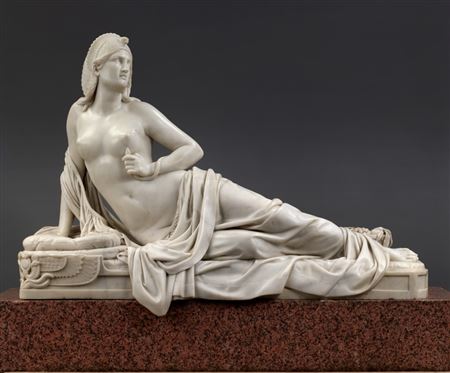
1816 - 1892. Known for: Painting and sculpture.
Pio Fedi rose to prominence as one of the most important sculptors of his time in his native Florence. He trained with two of Italy's great marble masters, first Lorenzo Bartolini in Florence, and... Read full biography
Pio Fedi rose to prominence as one of the most important sculptors of his time in his native Florence. He trained with two of Italy's great marble masters, first Lorenzo Bartolini in Florence, and subsequently Pietro Tenerani in Rome. The influences of both can be seen in Fedi's combination of... Read full biography
Pio Fedi rose to prominence as one of the most important sculptors of his time in his native Florence. He trained with two of Italy's great marble masters, first Lorenzo Bartolini in Florence, and subsequently Pietro Tenerani in Rome. The influences of both can be seen in Fedi's combination of robust naturalism, which stemmed from Bartolini, suffused with the neo-classical vocabulary of Tenerani. The earlier work of Pio Fedi included various civic commissions, for instance Niccolo Pisarro for... Read full biography
Pio Fedi rose to prominence as one of the most important sculptors of his time in his native Florence. He trained with two of Italy's great marble masters, first Lorenzo Bartolini in Florence, and subsequently Pietro Tenerani in Rome. The influences of both can be seen in Fedi's combination of robust naturalism, which stemmed from Bartolini, suffused with the neo-classical vocabulary of Tenerani. The earlier work of Pio Fedi included various civic commissions, for instance Niccolo Pisarro for the doors of the Uffizi. Through the 1850s he was court sculptor to the Grand Duke Leopold II until the duke's exile in 1859. In 1855 he modeled his masterpiece, the marble group of The Rape of the Polyxena, which stands among seminal Renaissance... Read full biography
Pio Fedi rose to prominence as one of the most important sculptors of his time in his native Florence. He trained with two of Italy's great marble masters, first Lorenzo Bartolini in Florence, and subsequently Pietro Tenerani in Rome. The influences of both can be seen in Fedi's combination of robust naturalism, which stemmed from Bartolini, suffused with the neo-classical vocabulary of Tenerani. The earlier work of Pio Fedi included various civic commissions, for instance Niccolo Pisarro for the doors of the Uffizi. Through the 1850s he was court sculptor to the Grand Duke Leopold II until the duke's exile in 1859. In 1855 he modeled his masterpiece, the marble group of The Rape of the Polyxena, which stands among seminal Renaissance works in the famous Loggia dei Lanzi on the Piazza della Signoria in Florence.
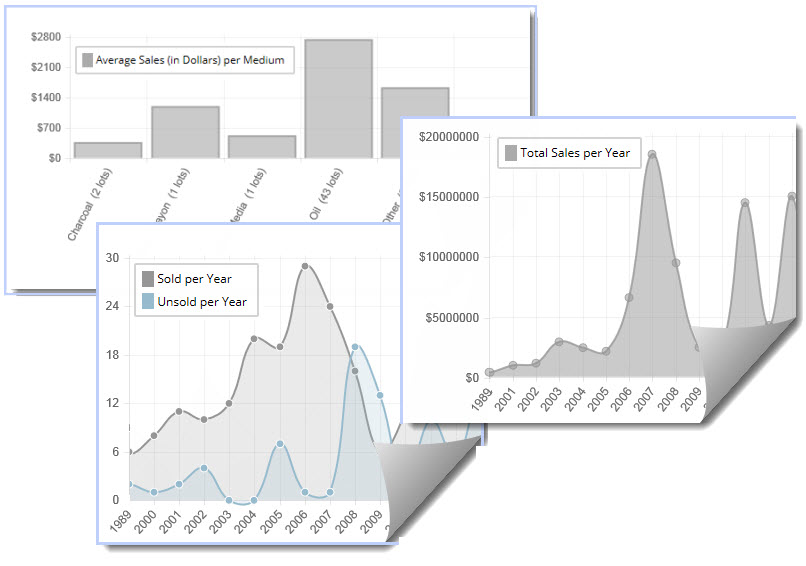
Pio Fedi - Charts
Chart data loaded successfully