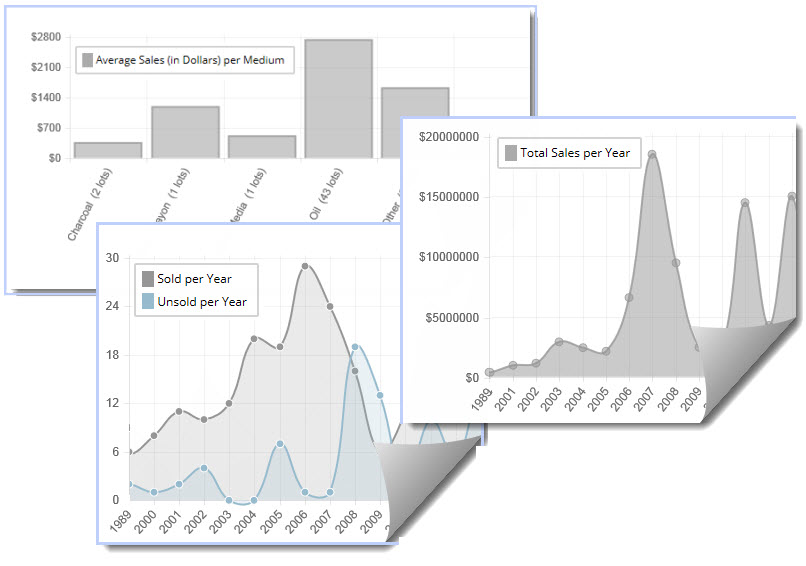
Ronnie Tjampitjinpa PRICE CHARTS
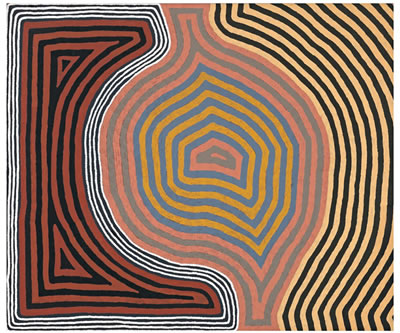
c.1943 Muyin - 2023. Known for: Aboriginal art.
Ronnie Tjampitjinpa was born at Muyin, deep in sandhill country, just west of the Northern Territory/Western Australian border. He was initiated at Yumari, a rockhole associated with his uncle, the... Read full biography
Ronnie Tjampitjinpa was born at Muyin, deep in sandhill country, just west of the Northern Territory/Western Australian border. He was initiated at Yumari, a rockhole associated with his uncle, the artist Uta Uta Tjangala. Later that year Tjampitjinpa's family was surprised when a relative, Charlie... Read full biography
Ronnie Tjampitjinpa was born at Muyin, deep in sandhill country, just west of the Northern Territory/Western Australian border. He was initiated at Yumari, a rockhole associated with his uncle, the artist Uta Uta Tjangala. Later that year Tjampitjinpa's family was surprised when a relative, Charlie Wartuma Tjungurrayi, appeared from the east leading a group of camels. Wartuma persuaded the group to return with him to experience life at the mission-run ration station at Haasts Bluff. And so it... Read full biography
Ronnie Tjampitjinpa was born at Muyin, deep in sandhill country, just west of the Northern Territory/Western Australian border. He was initiated at Yumari, a rockhole associated with his uncle, the artist Uta Uta Tjangala. Later that year Tjampitjinpa's family was surprised when a relative, Charlie Wartuma Tjungurrayi, appeared from the east leading a group of camels. Wartuma persuaded the group to return with him to experience life at the mission-run ration station at Haasts Bluff. And so it was that in 1956, Tjampitjinpa came into contact with the intercultural world that lay outside the dunefields of the Gibson Desert. Tjampitjinpa was among the youngest men to be involved during the first flush of painting at Papunya. However, instead... Read full biography
Ronnie Tjampitjinpa was born at Muyin, deep in sandhill country, just west of the Northern Territory/Western Australian border. He was initiated at Yumari, a rockhole associated with his uncle, the artist Uta Uta Tjangala. Later that year Tjampitjinpa's family was surprised when a relative, Charlie Wartuma Tjungurrayi, appeared from the east leading a group of camels. Wartuma persuaded the group to return with him to experience life at the mission-run ration station at Haasts Bluff. And so it was that in 1956, Tjampitjinpa came into contact with the intercultural world that lay outside the dunefields of the Gibson Desert. Tjampitjinpa was among the youngest men to be involved during the first flush of painting at Papunya. However, instead of pursuing a career as an artist he chose to direct his considerable energy into operating an old red truck, ru... Read full biography
Ronnie Tjampitjinpa - Charts
Chart data loaded successfully