Rudolf Jahns PRICE CHARTS
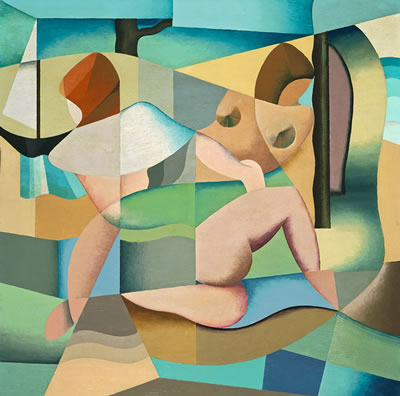
1896 Wolfenbuttel - 1983 Holzminden. Known for: Painting.
Rudolf Jahns (1896-1983) first attended evening classes at the School of Applied Arts in Braunschweig. He painted his first work in the years 1917-1919 in his studio in Braunschweig. In his artistic... Read full biography
Rudolf Jahns (1896-1983) first attended evening classes at the School of Applied Arts in Braunschweig. He painted his first work in the years 1917-1919 in his studio in Braunschweig. In his artistic work he dealt repeatedly with the theme of nature, landscape, music and people, which he rendered... Read full biography
Rudolf Jahns (1896-1983) first attended evening classes at the School of Applied Arts in Braunschweig. He painted his first work in the years 1917-1919 in his studio in Braunschweig. In his artistic work he dealt repeatedly with the theme of nature, landscape, music and people, which he rendered mostly in abstract watercolors, paintings and drawings. He received influences of Paul Klee, Wassily Kandinsky and Lyonel Feininger; in addition, the Far Eastern painting was an important source of... Read full biography
Rudolf Jahns (1896-1983) first attended evening classes at the School of Applied Arts in Braunschweig. He painted his first work in the years 1917-1919 in his studio in Braunschweig. In his artistic work he dealt repeatedly with the theme of nature, landscape, music and people, which he rendered mostly in abstract watercolors, paintings and drawings. He received influences of Paul Klee, Wassily Kandinsky and Lyonel Feininger; in addition, the Far Eastern painting was an important source of inspiration. His artistic breakthrough came through contact with Herwarth Walden in Berlin and the Hanover artist circle around Kurt Schwitters. After the Second World War, Jahns created primarily naturalistic works. In the 1960s, he devoted himself to... Read full biography
Rudolf Jahns (1896-1983) first attended evening classes at the School of Applied Arts in Braunschweig. He painted his first work in the years 1917-1919 in his studio in Braunschweig. In his artistic work he dealt repeatedly with the theme of nature, landscape, music and people, which he rendered mostly in abstract watercolors, paintings and drawings. He received influences of Paul Klee, Wassily Kandinsky and Lyonel Feininger; in addition, the Far Eastern painting was an important source of inspiration. His artistic breakthrough came through contact with Herwarth Walden in Berlin and the Hanover artist circle around Kurt Schwitters. After the Second World War, Jahns created primarily naturalistic works. In the 1960s, he devoted himself to graphic techniques, and in his later works he connected again to his early work. In Düsseldorf is located... Read full biography
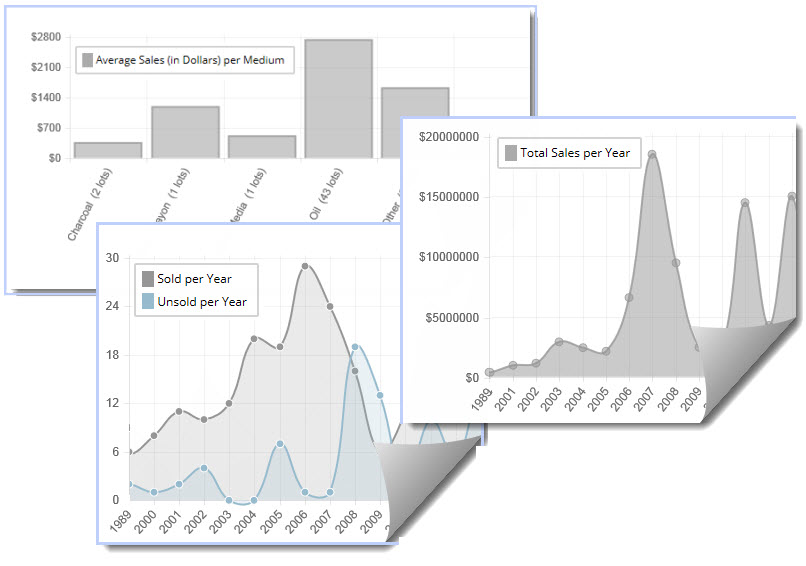
Rudolf Jahns - Charts
Chart data loaded successfully