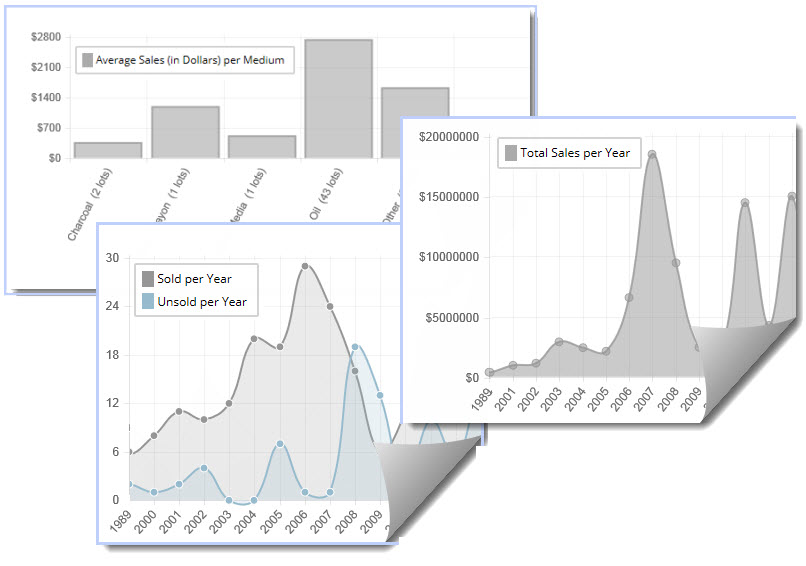
Sebastiano Conca PRICE CHARTS
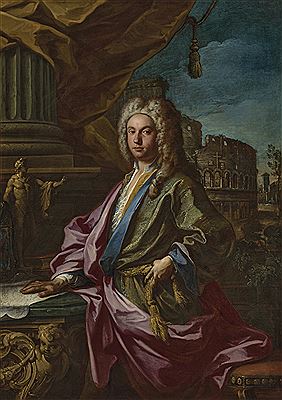
1680 Gaeta, Italy - 1764 Naples, Italy. Known for: Religious figure easel and fresco painting.
Sebastiano Conca was the son of Erasmo Conca and Caterina de Iorio and the eldest of ten children. According to Francesco Maria Niccolò Gabburri, when very young he was a pupil of Luca Giordano, but... Read full biography
Sebastiano Conca was the son of Erasmo Conca and Caterina de Iorio and the eldest of ten children. According to Francesco Maria Niccolò Gabburri, when very young he was a pupil of Luca Giordano, but the only teacher who can be assigned to him with certainty is Francesco Solimena. Conca probably... Read full biography
Sebastiano Conca was the son of Erasmo Conca and Caterina de Iorio and the eldest of ten children. According to Francesco Maria Niccolò Gabburri, when very young he was a pupil of Luca Giordano, but the only teacher who can be assigned to him with certainty is Francesco Solimena. Conca probably entered his studio in Naples c. 1693 and in 1703 assisted him in painting decorative frescoes for the abbey of Montecassino. In 1706 (de Dominici) or perhaps 1707 (Pio) Conca moved to Rome. He remained... Read full biography
Sebastiano Conca was the son of Erasmo Conca and Caterina de Iorio and the eldest of ten children. According to Francesco Maria Niccolò Gabburri, when very young he was a pupil of Luca Giordano, but the only teacher who can be assigned to him with certainty is Francesco Solimena. Conca probably entered his studio in Naples c. 1693 and in 1703 assisted him in painting decorative frescoes for the abbey of Montecassino. In 1706 (de Dominici) or perhaps 1707 (Pio) Conca moved to Rome. He remained there for 45 years but never lost touch with Gaeta, to which he often returned. In Rome, inspired by the art of Michelangelo, Raphael and the Carracci, he moved away from Solimena and developed a greater classicism, indebted to Carlo Maratti. Works... Read full biography
Sebastiano Conca was the son of Erasmo Conca and Caterina de Iorio and the eldest of ten children. According to Francesco Maria Niccolò Gabburri, when very young he was a pupil of Luca Giordano, but the only teacher who can be assigned to him with certainty is Francesco Solimena. Conca probably entered his studio in Naples c. 1693 and in 1703 assisted him in painting decorative frescoes for the abbey of Montecassino. In 1706 (de Dominici) or perhaps 1707 (Pio) Conca moved to Rome. He remained there for 45 years but never lost touch with Gaeta, to which he often returned. In Rome, inspired by the art of Michelangelo, Raphael and the Carracci, he moved away from Solimena and developed a greater classicism, indebted to Carlo Maratti. Works dating from his first ten years in Rome include the Adoration of the Magi (1707; Tours, Musee Beaux-Arts), the Allegory of Pai... Read full biography
Sebastiano Conca - Charts
Chart data loaded successfully