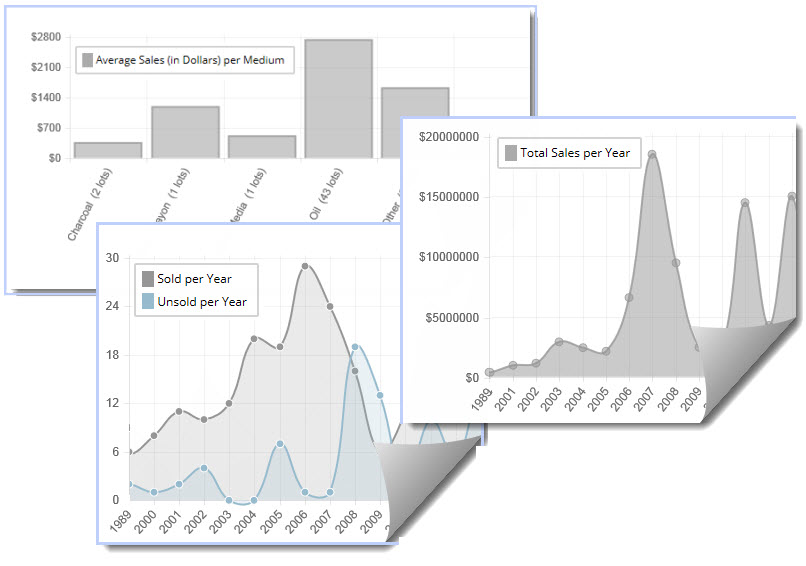
Sengai Gibon PRICE CHARTS
1750 - 1837. Known for: Light-hearted ink paintings.
Gibon Sengai ranks along with Hakuin as the greatest of Zen artists. He often depicts his favorite plant, bamboo, alongside a brief calligraphy that draws the time-honored parallel between its... Read full biography
Gibon Sengai ranks along with Hakuin as the greatest of Zen artists. He often depicts his favorite plant, bamboo, alongside a brief calligraphy that draws the time-honored parallel between its strength and flexibility and that of a true gentleman (kunshi, in Chinese junzi). Bamboo is also the... Read full biography
Gibon Sengai ranks along with Hakuin as the greatest of Zen artists. He often depicts his favorite plant, bamboo, alongside a brief calligraphy that draws the time-honored parallel between its strength and flexibility and that of a true gentleman (kunshi, in Chinese junzi). Bamboo is also the perfect Zen plant: graceful, pliant yet unbreakable, useful in many ways, and good to eat (as bamboo shoots) as well.... Read full biography
Gibon Sengai ranks along with Hakuin as the greatest of Zen artists. He often depicts his favorite plant, bamboo, alongside a brief calligraphy that draws the time-honored parallel between its strength and flexibility and that of a true gentleman (kunshi, in Chinese junzi). Bamboo is also the perfect Zen plant: graceful, pliant yet unbreakable, useful in many ways, and good to eat (as bamboo shoots) as well.... Read full biography
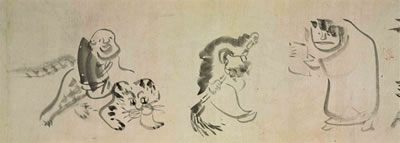
Gibon Sengai ranks along with Hakuin as the greatest of Zen artists. He often depicts his favorite plant, bamboo, alongside a brief calligraphy that draws the time-honored parallel between its strength and flexibility and that of a true gentleman (kunshi, in Chinese junzi). Bamboo is also the perfect Zen plant: graceful, pliant yet unbreakable, useful in many ways, and good to eat (as bamboo shoots) as well.
Sengai Gibon - Charts
Chart data loaded successfully